Explore this article
Quick answer
What this article explains
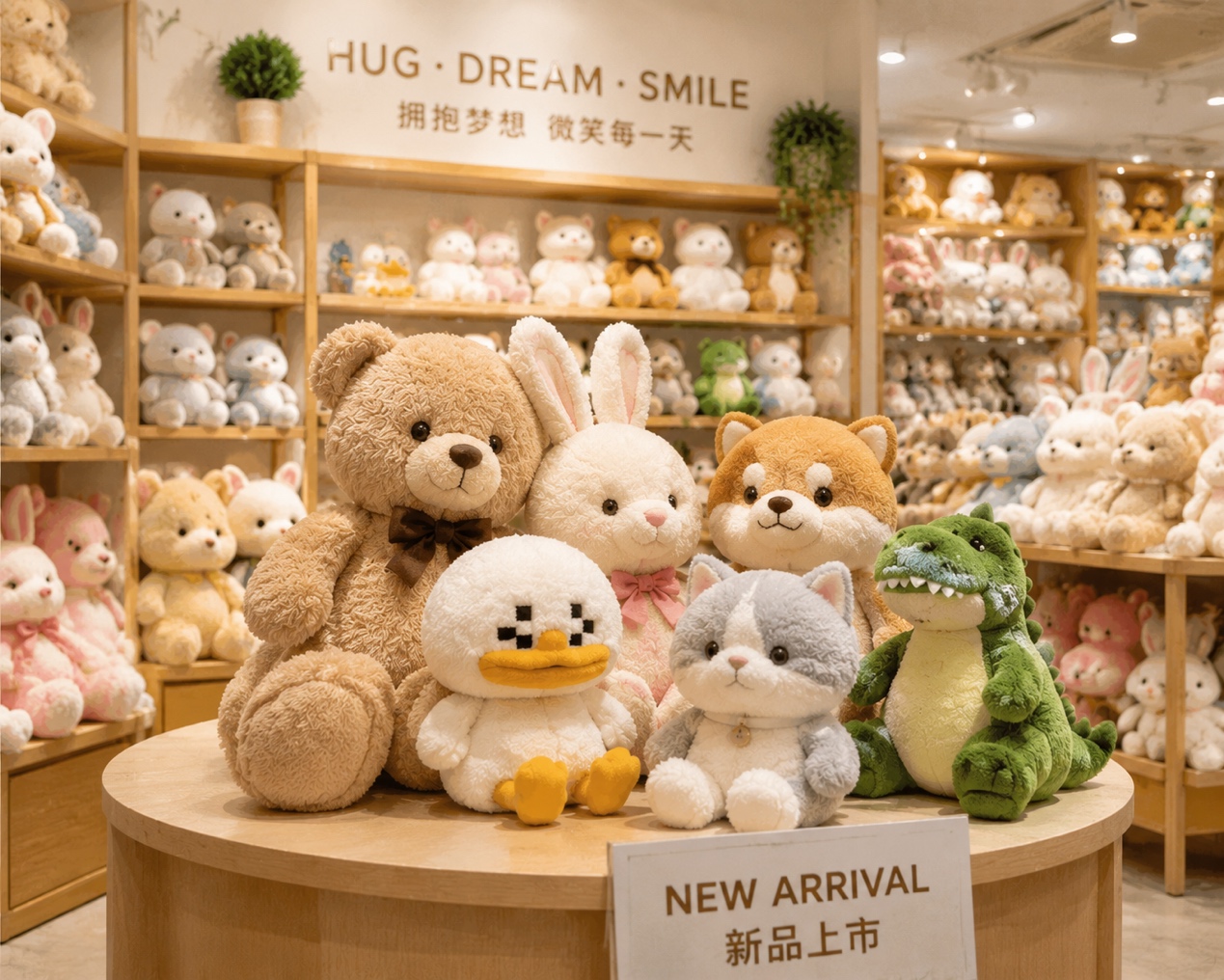
Modern consumers want more than functional products. Many people now look for emotional comfort in daily life. This shift is changing the product industry. Plush toys and character products are becoming emotional...
Modern consumers want more than functional products. Many people now look for emotional comfort in daily life. This shift is changing the product industry. Plush toys and character products are becoming emotional companion products.
These products do more than look cute. People carry them, photograph them, and build emotional connections with them. Some consumers even treat them like part of their identity.
Emotional Value Is Becoming More Important
Traditional products usually competed through price, function, or appearance. Today, younger consumers care more about emotional experience. Gen Z and Gen Alpha especially value products that create comfort, humor, or emotional attachment.
This trend explains the growth of:
character collectibles
companion plush toys
emotional support products
blind box culture
personality-driven IP brands
Brands like Jellycat and POP MART show how emotional connection can drive strong consumer demand.
Consumers are not only buying products anymore. Many consumers are choosing personalities that reflect their emotions and lifestyles.
Imperfect Characters Feel More Real
Modern audiences often prefer imperfect characters. Perfect mascots can feel distant or artificial. Characters with flaws feel more human.
Many popular characters now have:
mischievous personalities
awkward behavior
sleepy expressions
subtle rebellion
emotional complexity
These traits create emotional realism.
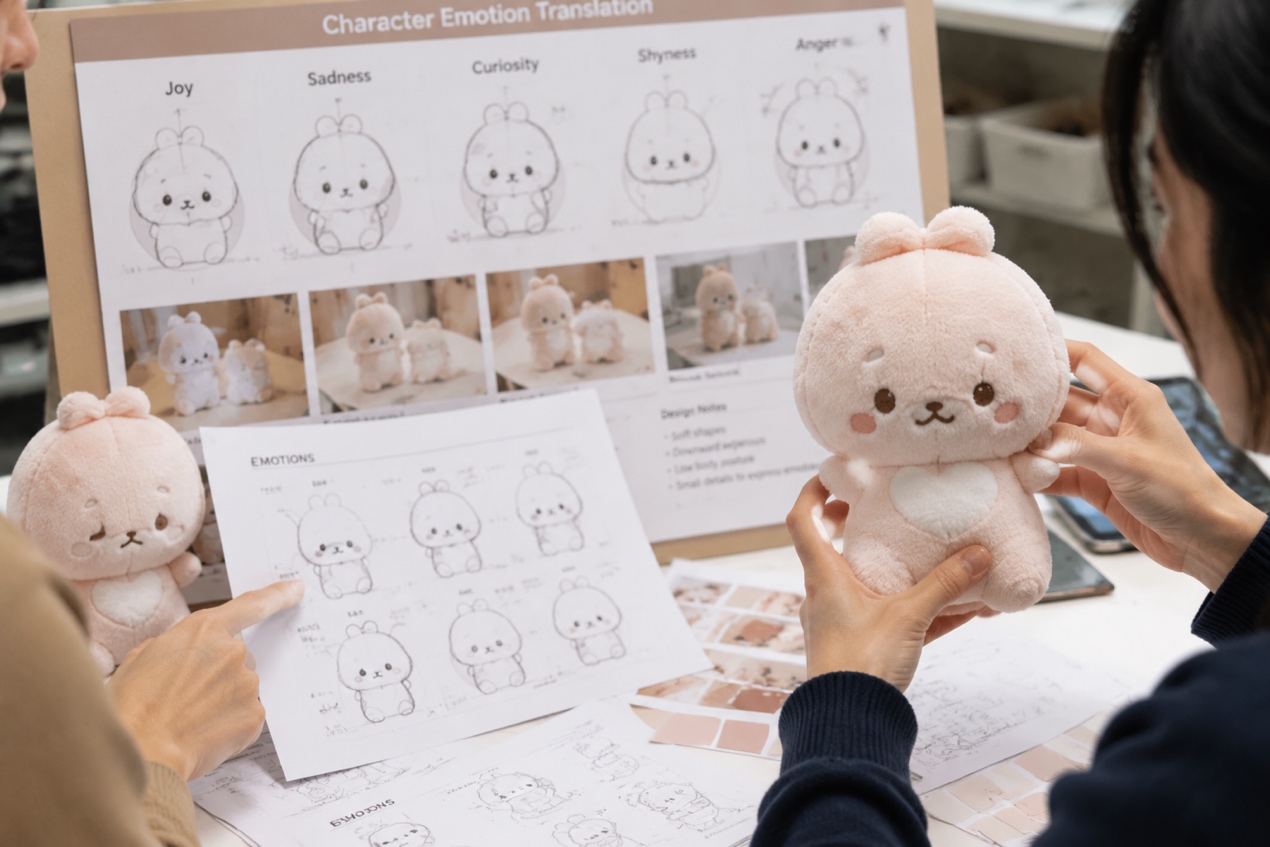
This idea influenced the creation of DUKKI. The character does not behave like a traditional cheerful mascot. DUKKI feels playful, slightly rebellious, and quietly chaotic. The character makes harmless bad decisions and behaves more like a real person.
That emotional familiarity helps consumers build stronger attachment.
Plush Products Are Expanding Beyond Toys
The emotional companion category is growing quickly. Plush products now appear in many lifestyle categories.
Consumers now want:
plush accessories
emotional desk companions
travel companions
wearable character products
social interaction products
This trend changes the role of plush design. A plush product can now function as:
a fashion accessory
a comfort object
a collectible item
a social symbol
The boundary between toy and lifestyle product is becoming smaller.
Emotional Products Can Create Social Interaction
Many consumers now want products that create experiences. They do not only want physical objects. They want interaction, storytelling, and emotional moments.
This idea inspired BuddyBond. The concept combines plush products with smart chip technology. Compatible products can recognize each other in real-world environments.
The technology itself is not the main goal. The emotional interaction matters more.
BuddyBond focuses on helping people start conversations and build social connections in a natural way.
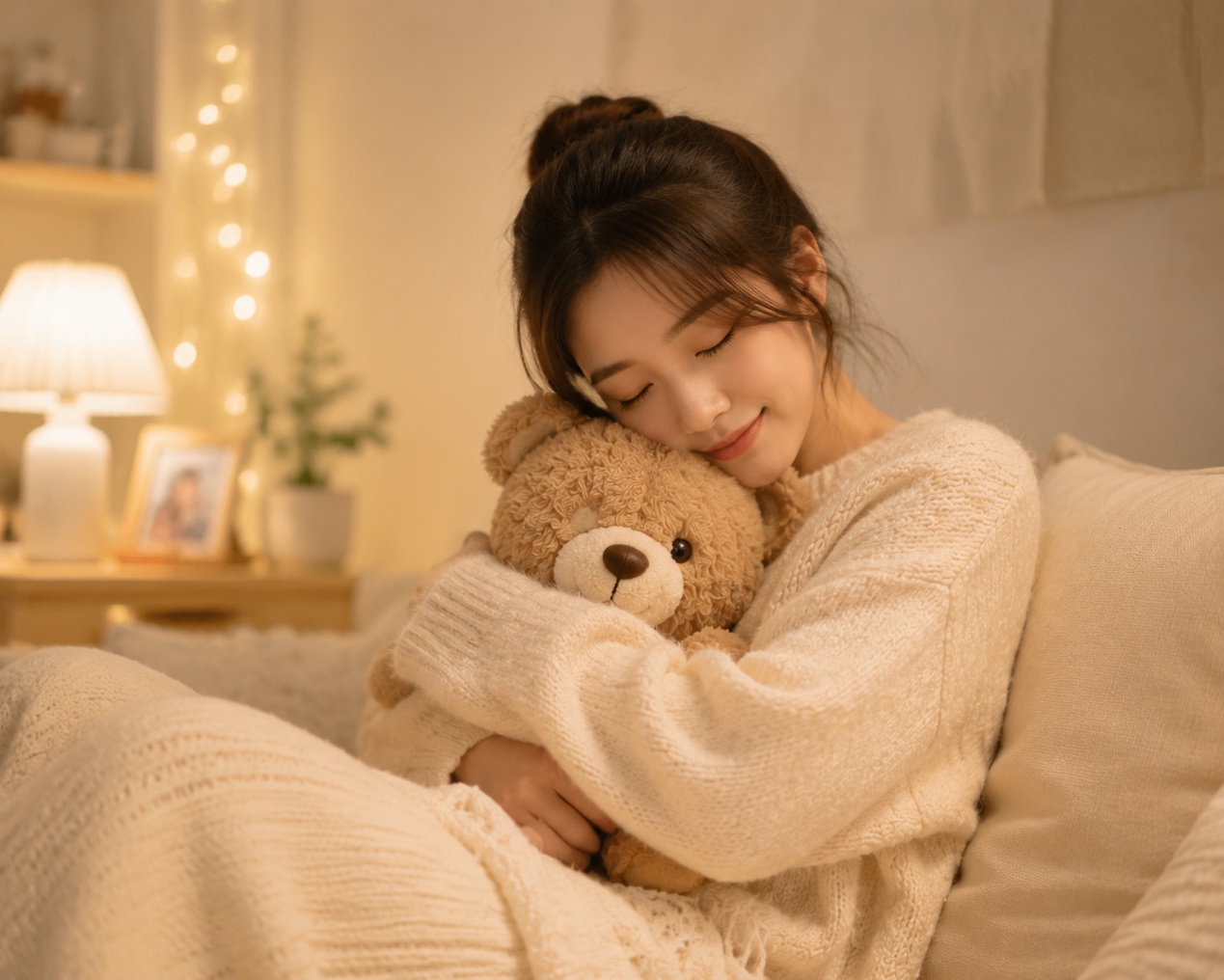
Conclusion: Emotional Companion Products Need Both Story and Manufacturing
The future of plush products is not only about cuteness. It is about emotional meaning, character personality, lifestyle relevance, and real interaction.
For brands, this creates a new opportunity. A successful plush product should not simply be manufactured. It should be designed as a companion that people want to keep, carry, photograph, and share.
This also means that product development needs more than a basic toy supplier. Brands need a partner who understands character IP, emotional design, material selection, functional structure, prototyping, and scalable plush manufacturing.
At JustPlush, we help brands turn emotional product ideas into real plush products. From character concept and prototype sampling to functional plush development and OEM manufacturing, we support the full process of creating plush products that people can emotionally connect with.
Keywords:
Emotional Design
Character IP Development
Brand Storytelling