Explore this article
Quick answer
What this article explains
To source plush toys for a retail collection, a brand should first define its precise design, quality, and quantity requirements. Next, it must carefully select a manufacturing partner based on experience, ethical practices, and communication. The development journey involves prototyping and revisions, followed by rigorous quality control and adherence to international safety standards. Finally, efficient logistics and delivery planning ensure the collection reaches the market effectively.
Strategic Sourcing: Building Your Plush Toy Collection
Image unavailable. Please reload this page.
For retail brands, intellectual property owners, and buyers, creating a successful plush toy collection requires a strategic sourcing approach. This involves integrating creative vision with stringent quality control, safety compliance, and efficient manufacturing. This guide helps you manage the process of developing plush toys, ensuring your collection meets market demands and quality expectations.
Defining Your Vision: Design, Quality, and Quantity
Image unavailable. Please reload this page.
Before engaging with potential manufacturers, a clear and detailed vision for your plush toy collection is essential. This foundational step minimizes misunderstandings and streamlines the entire production process.
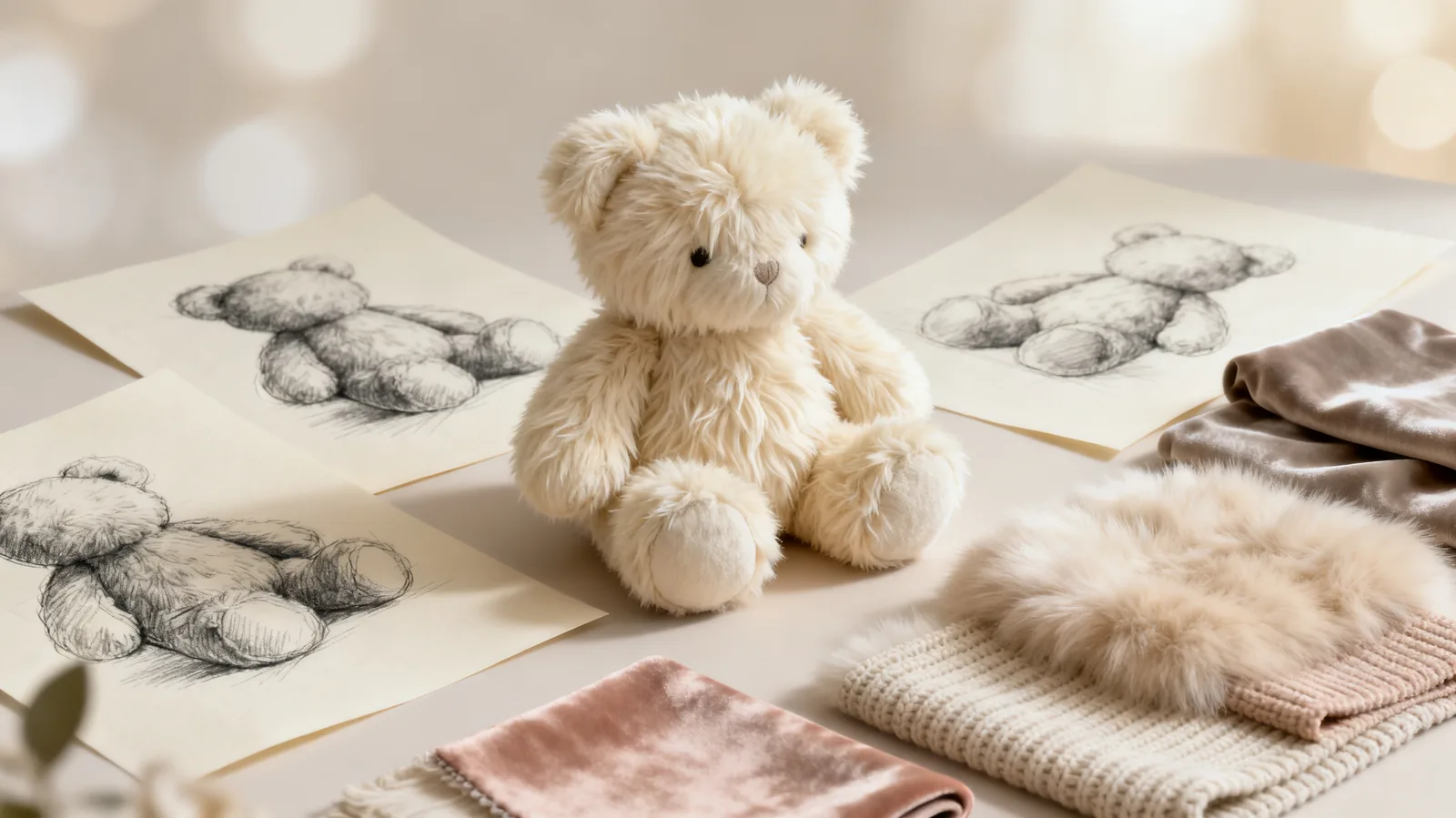
- Design Specifications: Provide detailed sketches, technical drawings, or existing samples. Specify dimensions, colors (using Pantone codes), facial expressions, and any unique features or accessories. Clearly articulate the desired aesthetic and brand identity.
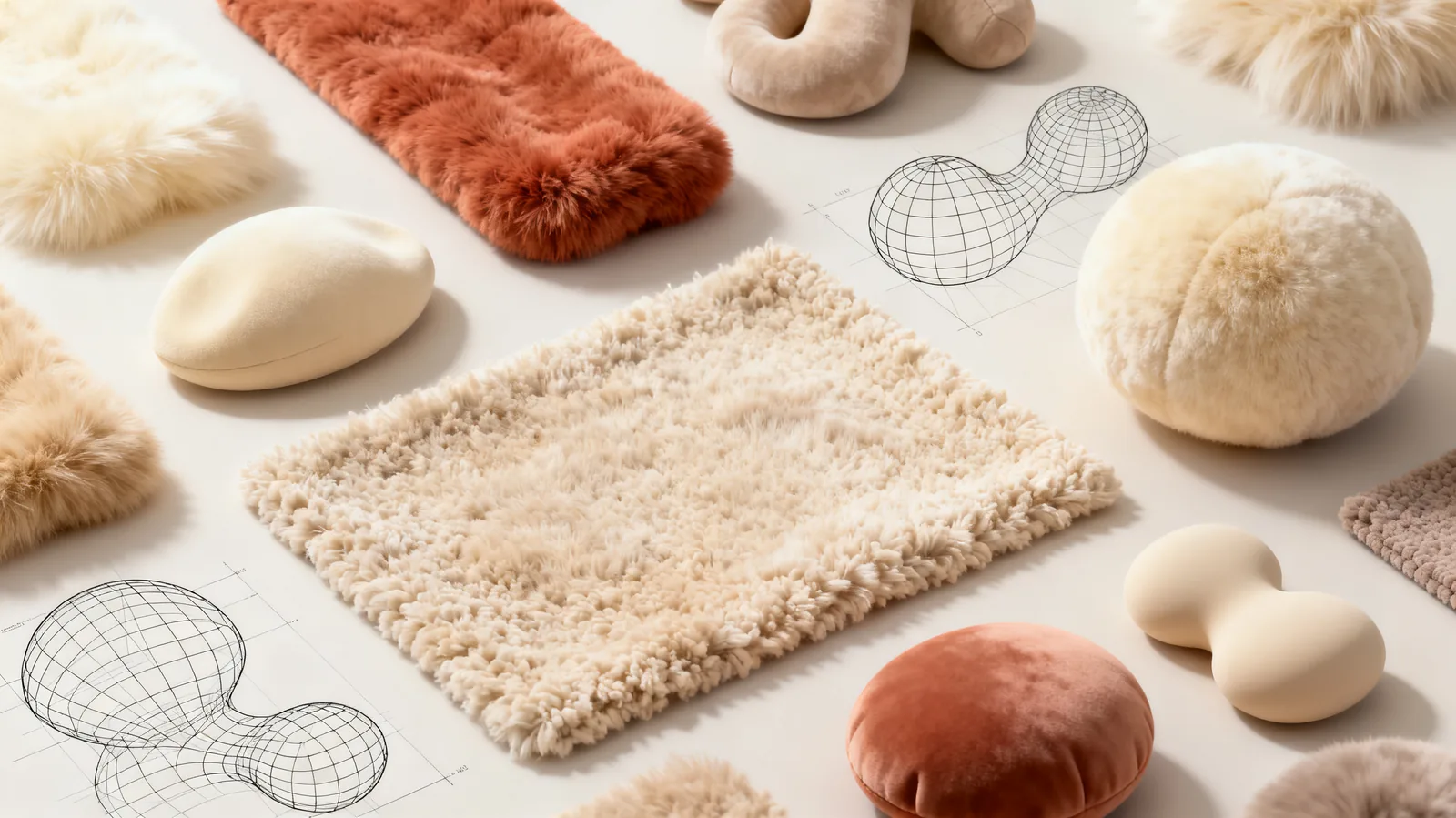
- Material Selection: Determine the type of fabric (e.g., polyester, organic cotton, recycled materials), stuffing (e.g., polyester fiberfill, weighted beads), and embellishments (e.g., embroidery, plastic eyes, sewn-on elements). Consider the tactile experience and durability.
- Quality Standards: Define the expected level of craftsmanship. This includes stitching quality, seam strength, material resilience, and overall finish. Think about the target age group and how that impacts material choices and construction.
- Safety Considerations: Identify relevant safety standards for your target market (e.g., ASTM F963 for the US, EN71 for Europe, CPSIA). Specify any non-toxic requirements for dyes and materials.
- Production Volume: Estimate your initial order quantity and potential future reorder volumes. This impacts pricing, manufacturing capacity, and material procurement. Be aware of typical minimum order quantities (MOQs) for custom plush production.
Choosing Your Manufacturing Partner: Expertise and Reliability
Selecting the right manufacturing partner is critical. A reliable manufacturer executes your vision with precision and care. Look for partners with a proven track record who align with your brand's values.
- Experience and Specialization: Prioritize manufacturers with extensive experience in plush toy production, especially for custom designs. Inquire about their portfolio and similar projects they have completed.
- Production Capabilities: Assess their capacity to handle your desired order volumes, their equipment, and their ability to work with your specified materials and design complexities.
- Ethical Practices and Certifications: Verify their commitment to ethical labor practices and environmental responsibility. Look for certifications such as ICTI Care, Sedex, or other relevant social compliance audits.
- Quality Control Processes: Understand their internal quality assurance procedures at every stage of production, from material inspection to final packaging.
- Communication and Transparency: Choose a partner who offers clear, consistent communication, provides regular updates, and is transparent about timelines, potential challenges, and problem-solving approaches.
- Sampling and Prototyping: Evaluate their ability to produce high-quality prototypes that accurately reflect your design specifications and allow for iterative feedback.
From Concept to Creation: The Development Journey
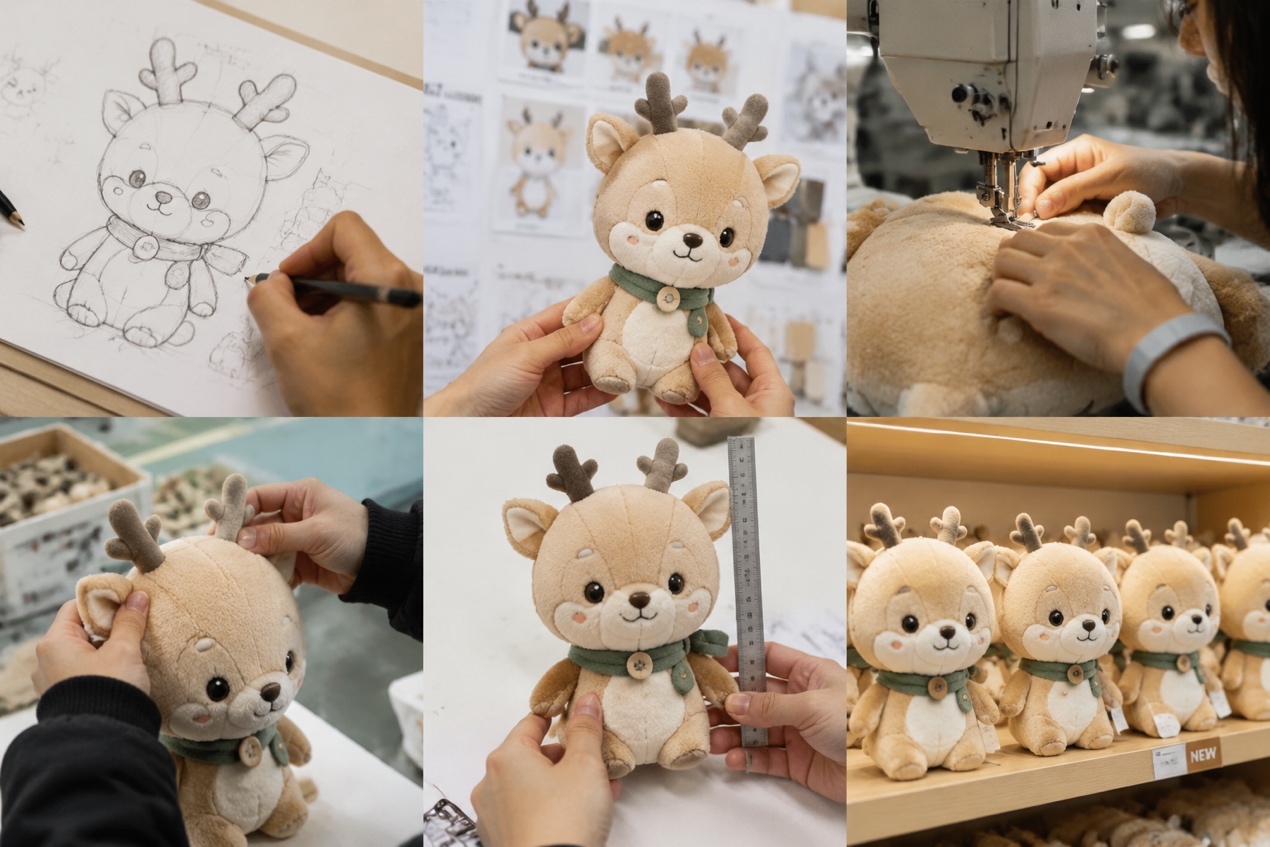
Once a manufacturing partner is selected, the development journey begins. This phased approach ensures that every detail is refined before mass production.
- Design Submission and Quotation: Provide your detailed design specifications to the manufacturer for a comprehensive quote and initial production plan.
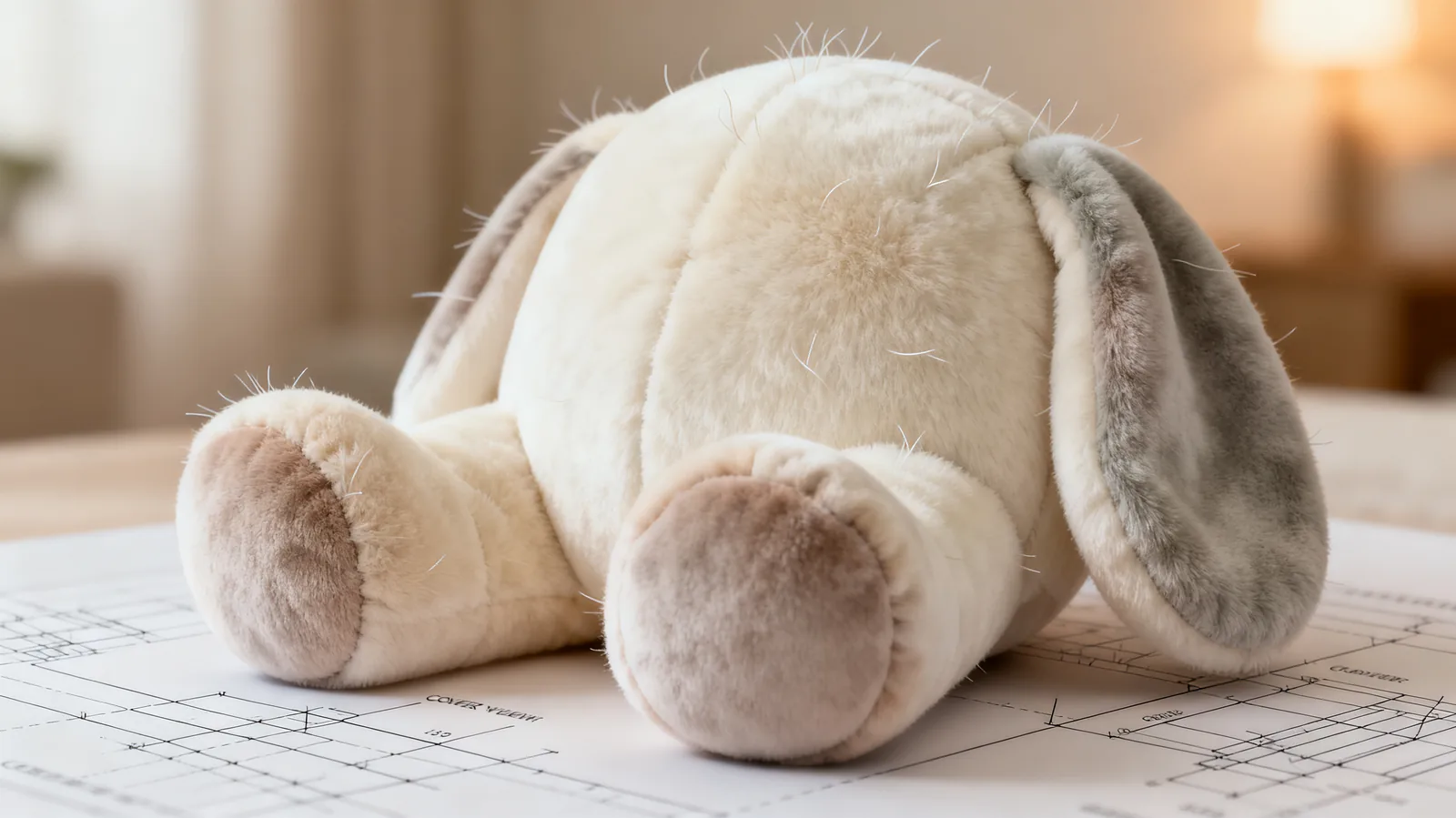
- Pattern Making and Prototyping: The manufacturer creates a physical prototype (sample) based on your design. This is a crucial step to visualize the plush toy in 3D, assess its proportions, and confirm material choices.
- Sample Review and Revisions: You will review the initial sample, providing feedback for any necessary adjustments to shape, size, materials, colors, or features. Multiple rounds of revisions may be needed to achieve perfection.
- Material Sourcing and Approval: Once the prototype is approved, the manufacturer sources the approved materials. You may be asked to approve material swatches to ensure consistency.
- Pre-Production Sample (PPS): A final sample is produced using the exact materials and processes intended for mass production. This PPS serves as the benchmark for quality control during the main production run.
- Mass Production: Upon final PPS approval, full-scale production commences. Regular communication with your manufacturer during this phase is vital to monitor progress.
Ensuring Safety and Standards: Quality Control and Compliance
Product safety and quality are non-negotiable, especially for toys. Implementing rigorous quality control and adhering to international safety standards protects your customers and your brand reputation.
- In-Line Quality Checks: Manufacturers should conduct continuous quality checks throughout the production process, inspecting materials, stitching, stuffing, and assembly.
- Final Inspection: A thorough inspection of finished products ensures they meet all agreed-upon specifications and quality benchmarks before packaging.
- Third-Party Testing: Engage accredited third-party laboratories to conduct safety testing according to the standards of your target markets (e.g., ASTM F963, EN71, CPSIA). This typically involves tests for flammability, small parts, sharp points, chemical content, and choking hazards.
- Documentation and Certification: Ensure all necessary test reports, certifications, and compliance documentation are provided and properly archived for regulatory purposes.
Logistics and Delivery: Bringing Your Collection to Market
The final stage involves getting your plush toys from the factory to your retail outlets or distribution centers. Efficient logistics planning is crucial for timely market entry.
- Packaging: Determine retail packaging requirements, including hang tags, labels, polybags, and master cartons. Ensure packaging protects the product during transit and meets any retail display needs.
- Shipping Methods: Choose between sea freight (cost-effective for large volumes, longer transit times) and air freight (faster, more expensive, suitable for urgent or smaller orders).
- Customs and Duties: Understand the import regulations, tariffs, and duties for your country. Your manufacturer or a freight forwarder can often assist with this complex process.
- Lead Times: Account for manufacturing time, quality control, shipping, and customs clearance when planning your launch dates.
- Communication: Maintain open communication with your manufacturer and logistics partners to track shipments and address any unforeseen delays promptly.
Building a Successful Plush Collection
Sourcing plush toys for your retail collection is a multifaceted process. By meticulously defining your vision, choosing the right manufacturing partner, overseeing the development journey, ensuring compliance, and planning logistics, you can successfully build a high-quality plush collection.
We understand the unique challenges and opportunities in custom plush development. If you are a brand, IP owner, or retail buyer looking to create a distinctive plush collection, we invite you to discuss your specific project needs with us. We can assist with sampling, minimum order quantities, and full-scale production.