Explore this article
Quick answer
What this article explains
Choosing between Plush OEM (Original Equipment Manufacturing) and ODM (Original Design Manufacturing) depends primarily on your design readiness and need for creative collaboration. OEM is ideal when you have a complete, ready-to-manufacture design and need a manufacturer to produce it exactly according to your specifications. ODM is best when you require design support, wish to leverage existing manufacturer templates, or seek inspiration to develop your plush concept from an initial idea.
Navigating Plush Development: OEM vs. ODM
Image unavailable. Please reload this page.
For brands, IP owners, and retail buyers looking to bring custom plush toys to life, understanding the manufacturing process is key. Two primary development routes define how your vision transitions from concept to tangible product: Original Equipment Manufacturing (OEM) and Original Design Manufacturing (ODM). While both lead to a finished plush toy, they cater to different levels of design involvement and creative control. Making an informed choice between OEM and ODM early in your project can significantly impact development time, cost, and the final product's alignment with your brand's specific needs.
Understanding OEM: Your Design, Our Manufacturing Expertise
Image unavailable. Please reload this page.
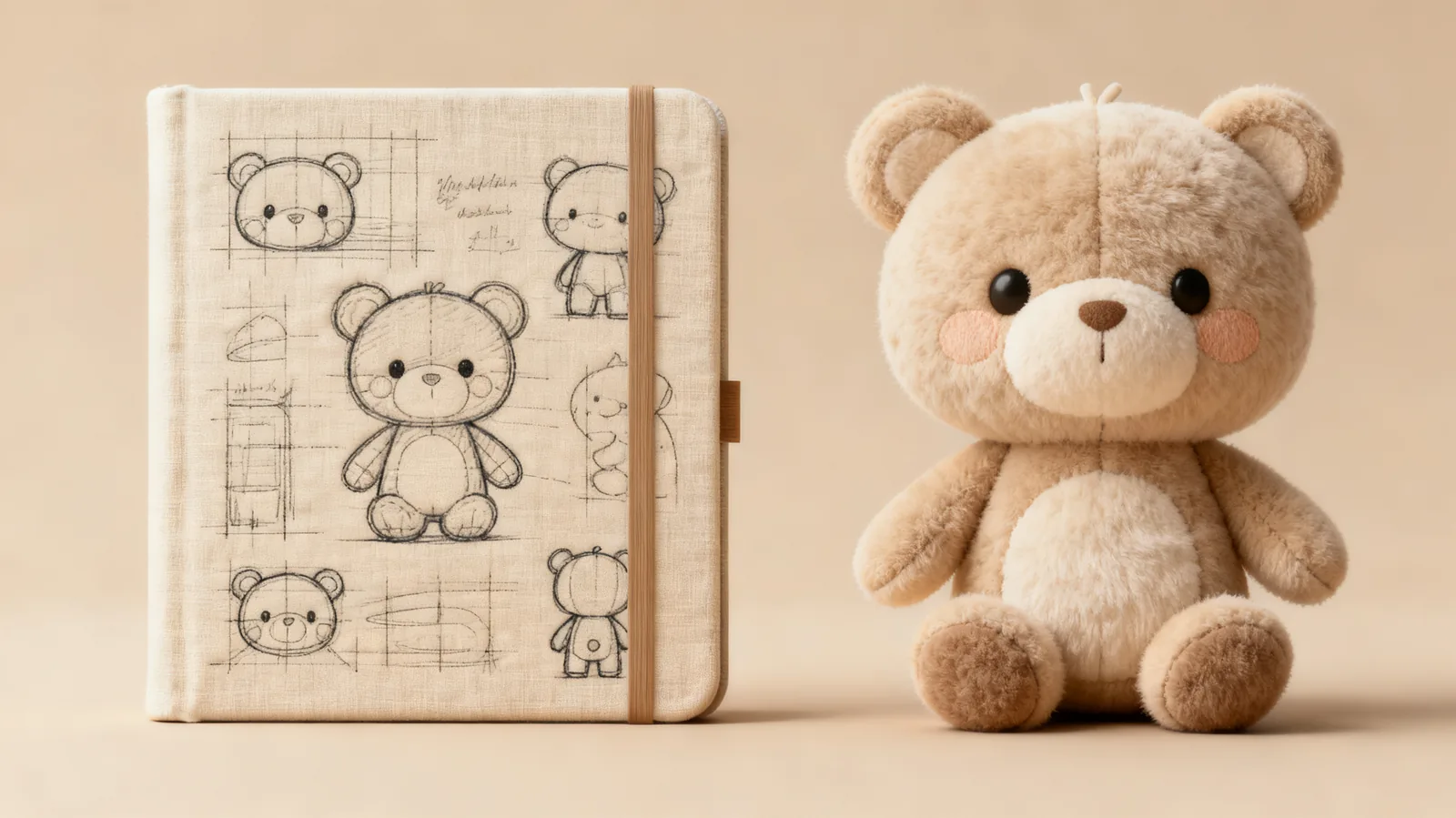
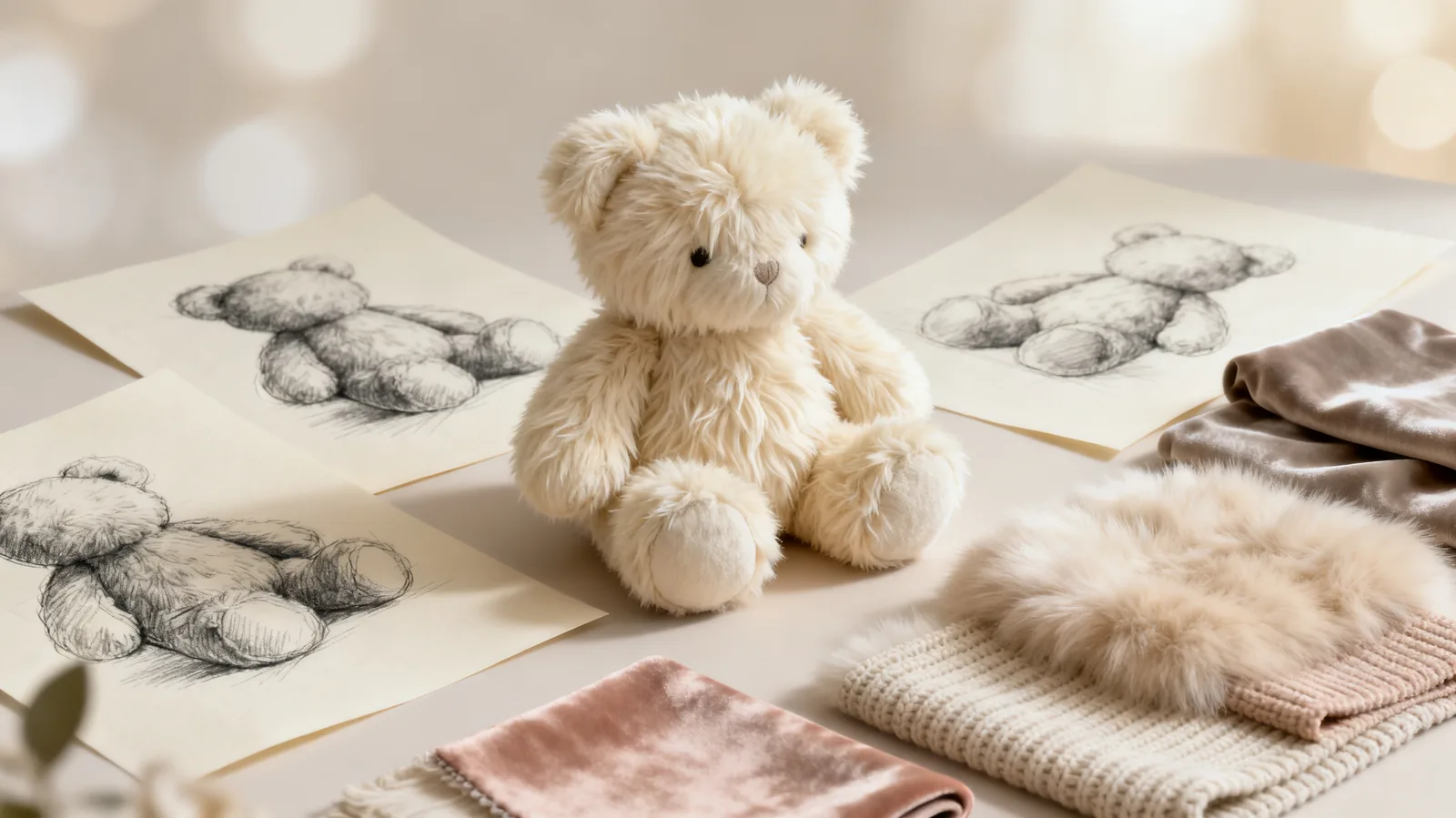
Original Equipment Manufacturing (OEM) is the ideal route when you possess a fully developed design, complete with detailed specifications. In an OEM partnership, you provide the blueprint—everything from character artwork, dimensions, material choices, color palettes, and even specific stitching details. The manufacturer's role is to precisely execute your design, transforming your exact vision into a physical plush toy. This approach is common for established brands with existing intellectual property (IP) or designers who have a clear, non-negotiable aesthetic for their product.
Benefits of choosing OEM include:
- Full Creative Control: You retain complete ownership and control over every design element.
- Exact Replication: Ensures the final product perfectly matches your existing brand guidelines or character designs.
- Exclusivity of Design: Your specific design is produced solely for you, maintaining brand distinctiveness.
OEM is best suited for projects where:
- You have complete, production-ready design files (e.g., technical drawings, material lists, Pantone colors).
- You need to replicate an existing character or product with high fidelity.
- Your team has in-house design expertise and does not require external creative input.
Understanding ODM: Collaborative Design & Manufacturing Solutions
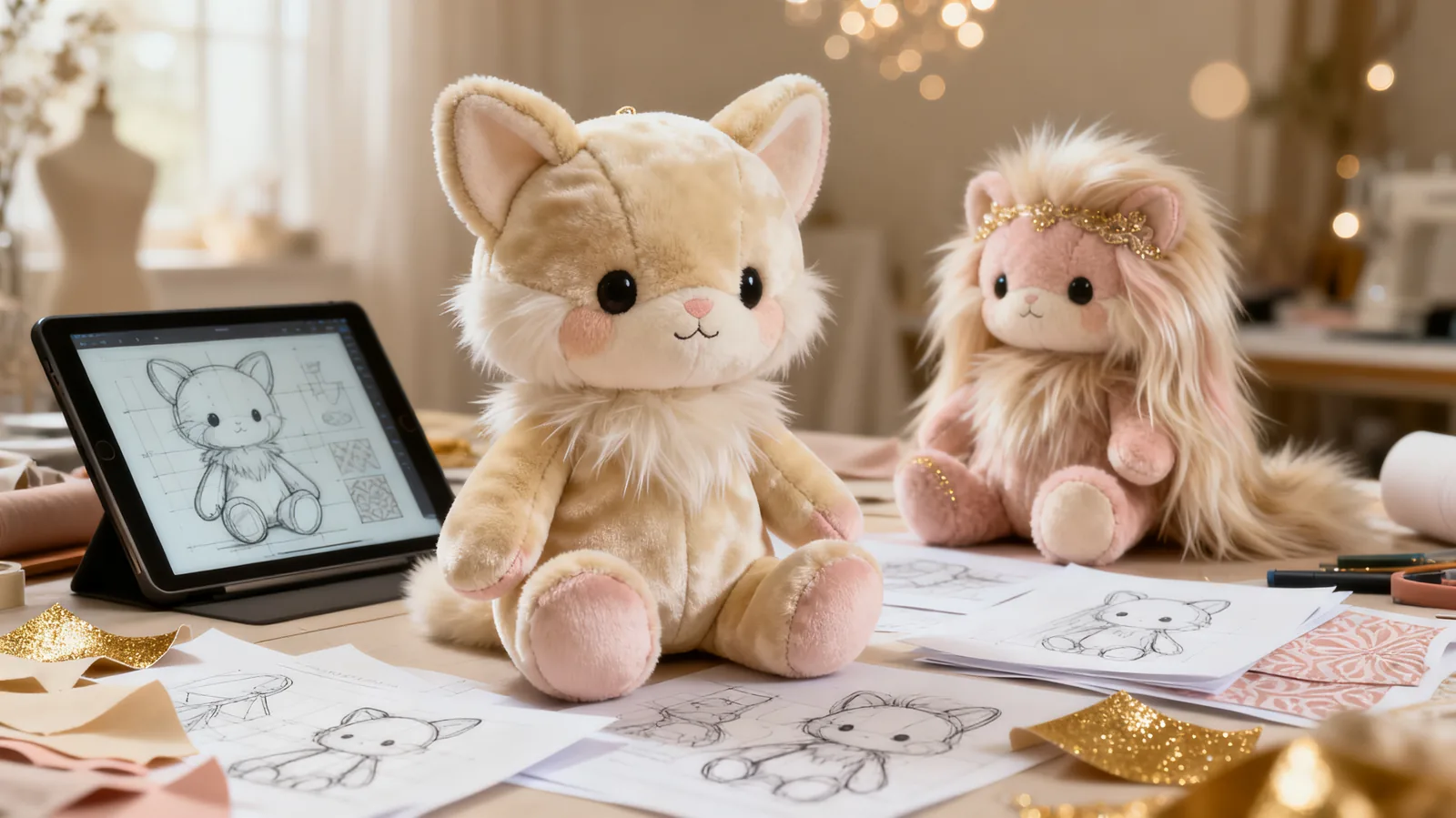
Original Design Manufacturing (ODM) offers a more collaborative approach. This route is perfect if you have a general concept or an idea but need assistance with the detailed design and development process. An ODM manufacturer provides design support, leveraging their existing templates, material libraries, and design expertise to help bring your concept to life. They might offer a range of existing plush patterns that can be customized, or work with you to develop a new design from scratch based on your initial brief.
Advantages of an ODM partnership include:
- Design Support: Access to experienced designers who can refine your concept, suggest materials, and optimize for production.
- Faster Development: Potentially quicker turnaround times by utilizing existing molds, patterns, or design frameworks.
- Cost Efficiency: Can be more budget-friendly as it reduces the need for extensive in-house design work and leverages the manufacturer's established processes.
- Market Insights: Manufacturers often have insights into current trends and popular designs, which can be integrated into your product.
ODM is the ideal fit for projects when:
- You have a concept but lack detailed design specifications or in-house design capabilities.
- You want to explore different design options or material combinations with expert guidance.
- You are looking for inspiration or to adapt a trending style to your brand.
- Your priority is efficient development and potentially lower upfront design costs.
Key Factors to Consider for Your Plush Project
To determine whether OEM or ODM is the right path for your custom plush project, consider these critical factors:
- Design Completeness: Do you have a final, production-ready design, or is it still a concept? OEM requires a complete design; ODM thrives on collaboration from an early stage.
- Desired Level of Creative Control: If absolute control over every detail is paramount, OEM is your choice. If you're open to expert suggestions and collaborative refinement, ODM offers flexibility.
- Budget Constraints: Developing a design from scratch for OEM can involve significant upfront design costs. ODM can sometimes be more cost-effective by leveraging existing resources and design efficiencies.
- Project Timelines: If speed to market is crucial and you're open to adapting existing designs, ODM might offer a faster development cycle. OEM projects, while precise, can sometimes require more time for initial design finalization and prototyping.
- Internal Resources: Does your team have the expertise to create detailed technical specifications, or would you benefit from a manufacturer's design team?
Making the Right Choice for Your Brand
The best development route for your custom plush project aligns with your brand's resources, vision, and strategic objectives. If precision, control, and exact replication of existing IP are top priorities, OEM provides the framework for your design to be manufactured to perfection. If you're seeking design partnership, efficiency, and expert guidance to evolve a concept into a market-ready product, ODM offers a collaborative and often faster path. Evaluate your project's unique requirements against the strengths of OEM and ODM to make an informed decision.