Explore this article
Quick answer
What this article explains
To review a plush sample before production, meticulously compare it against your design specifications and tech pack, assessing visual accuracy (colors, proportions), quality and construction (materials, stitching), safety (small parts, sharp edges), and functionality (interactive features). Document all findings and provide clear, actionable feedback to the manufacturer for necessary revisions.
Bringing a plush design to life is an exciting journey, but the moment you receive that first physical sample is perhaps the most critical. This isn't just a preview; it's your opportunity to ensure that what you envision translates perfectly into a tangible product. For brands, IP owners, and retail buyers, a thorough sample review is the cornerstone of successful production, safeguarding your investment and reputation.
Why Your Plush Sample Review is Non-Negotiable
Image unavailable. Please reload this page.
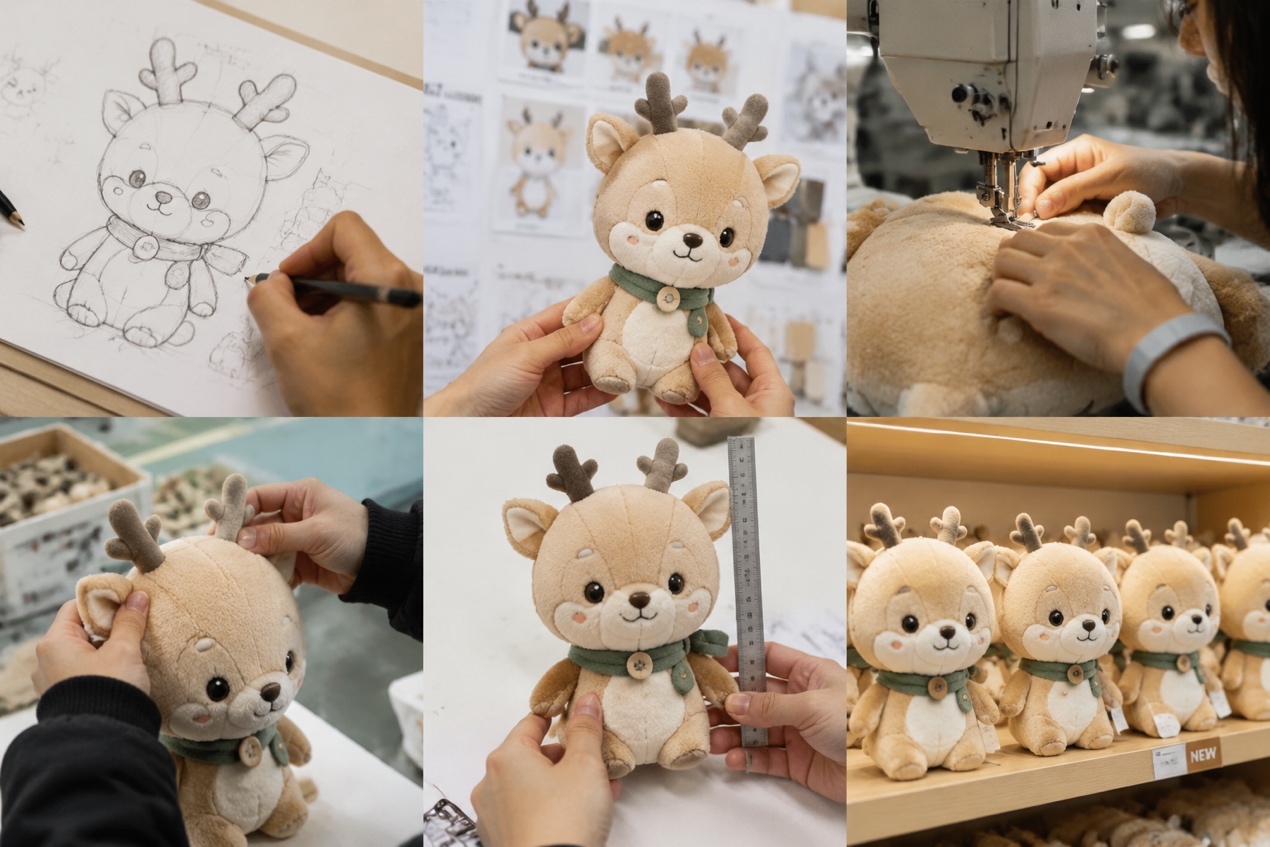
The pre-production sample is your final checkpoint before committing to a large-scale order. Skipping or rushing this stage can lead to costly errors, including manufacturing delays, product recalls, or customer dissatisfaction. A meticulous review process ensures that every detail, from the softness of the fabric to the integrity of the stitching, meets your exact standards and aligns with your brand's promise of quality. It’s about preventing issues proactively, ensuring the final product reflects your vision, and protecting your brand's integrity in the market.
Visual Accuracy: Does It Match Your Vision?

Image unavailable. Please reload this page.
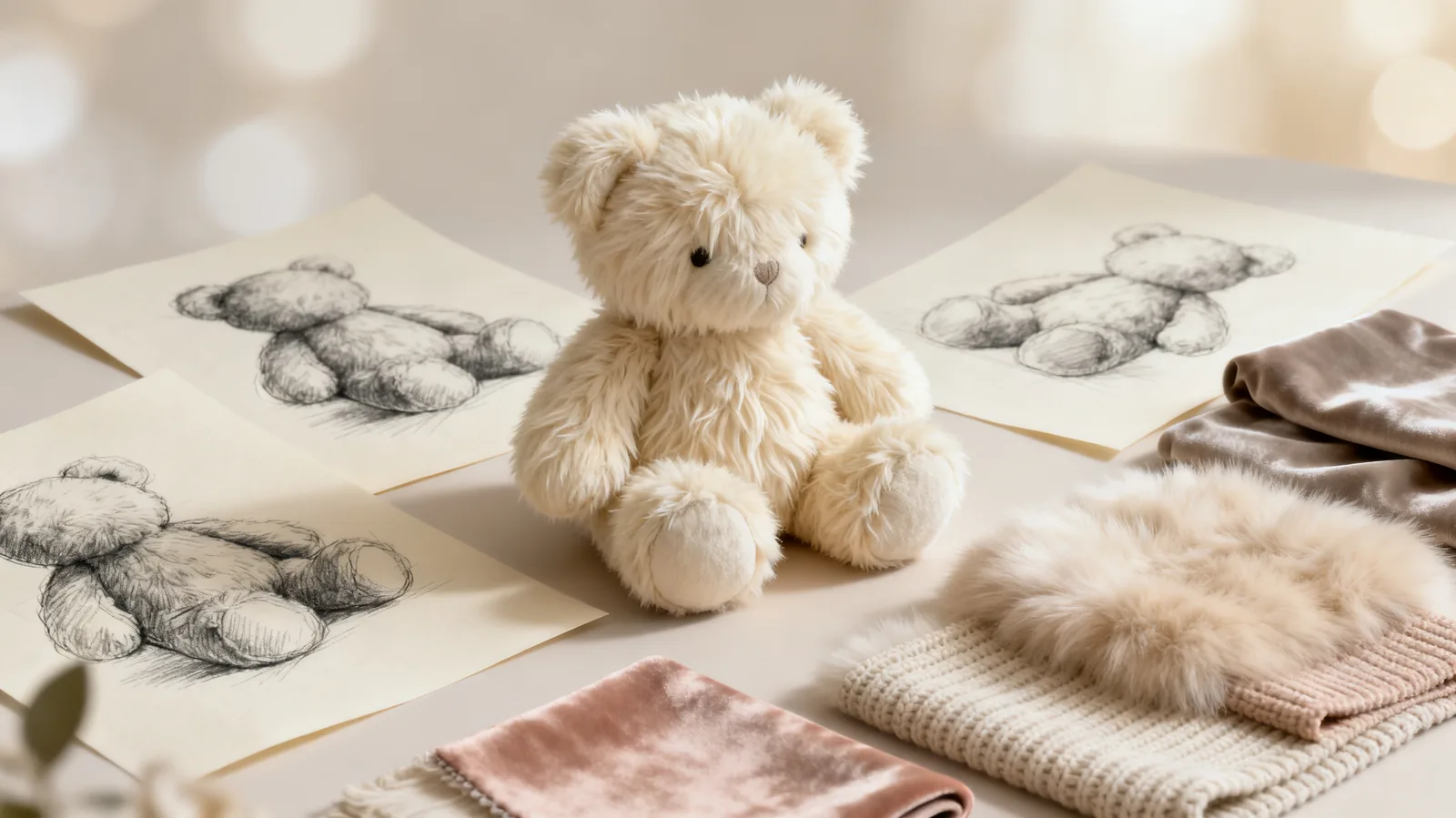
The first impression is visual. Hold the sample next to your original design files, tech pack, and any reference images. Pay close attention to:
- Color Matching: Are the fabric colors, embroidery threads, and printed elements true to your specified Pantone or CMYK values? Lighting conditions can affect perception, so review in consistent light.
- Proportions and Shape: Does the plush maintain the intended silhouette? Check head-to-body ratios, limb lengths, and overall symmetry. Subtle differences can significantly alter the character's appeal.
- Facial Features and Embroidery: Examine eye placement, mouth shape, and any embroidered details. Are they crisp, clean, and positioned correctly? Even a slight shift can change the expression.
- Fabric Texture and Finish: Does the material feel as expected? Confirm the pile height, sheen, and overall hand-feel match your approved swatches and design intent.
- Branding Elements: If applicable, ensure brand tags, labels, or printed logos are correctly placed, sized, and accurately reproduced.
Quality & Construction: A Hands-On Inspection
Beyond aesthetics, the structural integrity of your plush is paramount. This requires a tactile, hands-on approach:
- Stitching and Seams: Inspect all seams for evenness, strength, and consistency. Tug gently on seams to check for loose threads or gaps. Double-stitching in high-stress areas is often a good sign of durability.
- Stuffing Density: Squeeze the plush to assess its firmness and fill. Is it uniformly stuffed, or are there lumpy or under-filled areas? The density should match your desired feel – whether soft and squishy or firm and poseable.
- Material Quality: Feel the fabric for any inconsistencies, snags, or thin spots. Check for shedding, especially with longer pile materials. Confirm all materials used match the specifications in your tech pack.
- Attached Components: If your plush has accessories like clothing, bows, or buttons, ensure they are securely attached and show no signs of coming loose with gentle manipulation.
Safety & Compliance: Protecting Your Brand and Customers
Safety is non-negotiable, especially for products intended for children. While full compliance testing occurs later, your sample review is an initial check for obvious hazards:
- Small Parts: Are there any components that could detach and pose a choking hazard for the intended age group? This includes eyes, noses, buttons, or small accessories.
- Sharp Edges or Points: Run your hand over the entire plush to check for any sharp edges, wires, or hard components that could cause injury.
- Loose Components: Gently pull on all attached elements to ensure they are firmly secured and cannot be easily removed.
- Flammability: While not visually verifiable, consider the materials used and their inherent flammability properties, ensuring they align with expected safety standards.
Functionality & Features: Testing Every Detail
If your plush includes interactive elements, sounds, or special features, test each one thoroughly:
- Sound Modules: If there's a sound box, activate it multiple times. Is the sound clear, at the correct volume, and does it function consistently?
- Poseability: For plush with internal armatures or weighted limbs, test their ability to hold poses. Do the joints move smoothly without resistance or breakage?
- Interactive Elements: If buttons, zippers, or other interactive parts are present, operate them repeatedly to ensure durability and ease of use.
- Packaging Integration: If the sample includes packaging, test how the plush fits inside. Is it secure? Does it present well? Are all necessary labels and warnings present?
The Specification Checklist: Comparing Against Your Blueprint
Your tech pack and design files are your blueprint. Go through each line item and compare it against the physical sample. This includes:
- Dimensions: Measure the plush's height, width, and depth. Even a small deviation can impact perceived value or fit into packaging.
- Weight: Weigh the sample to ensure it's within the specified range, which can affect shipping costs and perceived quality.
- Material Call-outs: Confirm that every fabric, thread, and filling material specified in your tech pack has been used.
- Accessory Details: Verify the type, size, and attachment method of all accessories against your specifications.
Providing Clear Feedback for the Next Iteration
Once your review is complete, compile your findings into clear, actionable feedback. Be specific, use photos or videos to highlight issues, and suggest solutions where possible. Categorize feedback by priority (critical, important, minor) to guide the manufacturer. This iterative process of review and revision is key to refining the product until it perfectly matches your expectations. Open communication with your manufacturing partner ensures that the next sample brings you closer to your production goals.
Claims, sources and limitations
- A meticulous review process ensures that every detail, from the softness of the fabric to the integrity of the stitching, meets your exact standards and aligns with your brand's promise of quality.
The 'Custom plush development' and 'Sampling and minimum order quantities' resources describe services that inherently involve ensuring product quality and adherence to design specifications. A meticulous review is a fundamental part of these stages to meet exact standards and brand quality promises before mass production. Custom plush development Sampling and minimum order quantities
- The pre-production sample is your final checkpoint before committing to a large-scale order. Skipping or rushing this stage can lead to costly errors, including manufacturing delays, product recalls, or customer dissatisfaction.
The 'Sampling and minimum order quantities' resource implicitly supports the idea that sampling is a critical step before committing to larger orders, as it outlines the process and its importance in the overall production timeline. The risks of skipping this stage are a logical consequence of not verifying the product before mass production. Sampling and minimum order quantities
- Open communication with your manufacturing partner ensures that the next sample brings you closer to your production goals.
The 'Discuss a project' resource emphasizes the value of communication with a manufacturing partner. Effective feedback and collaboration are essential for refining products through the sampling process and achieving production goals. Discuss a project