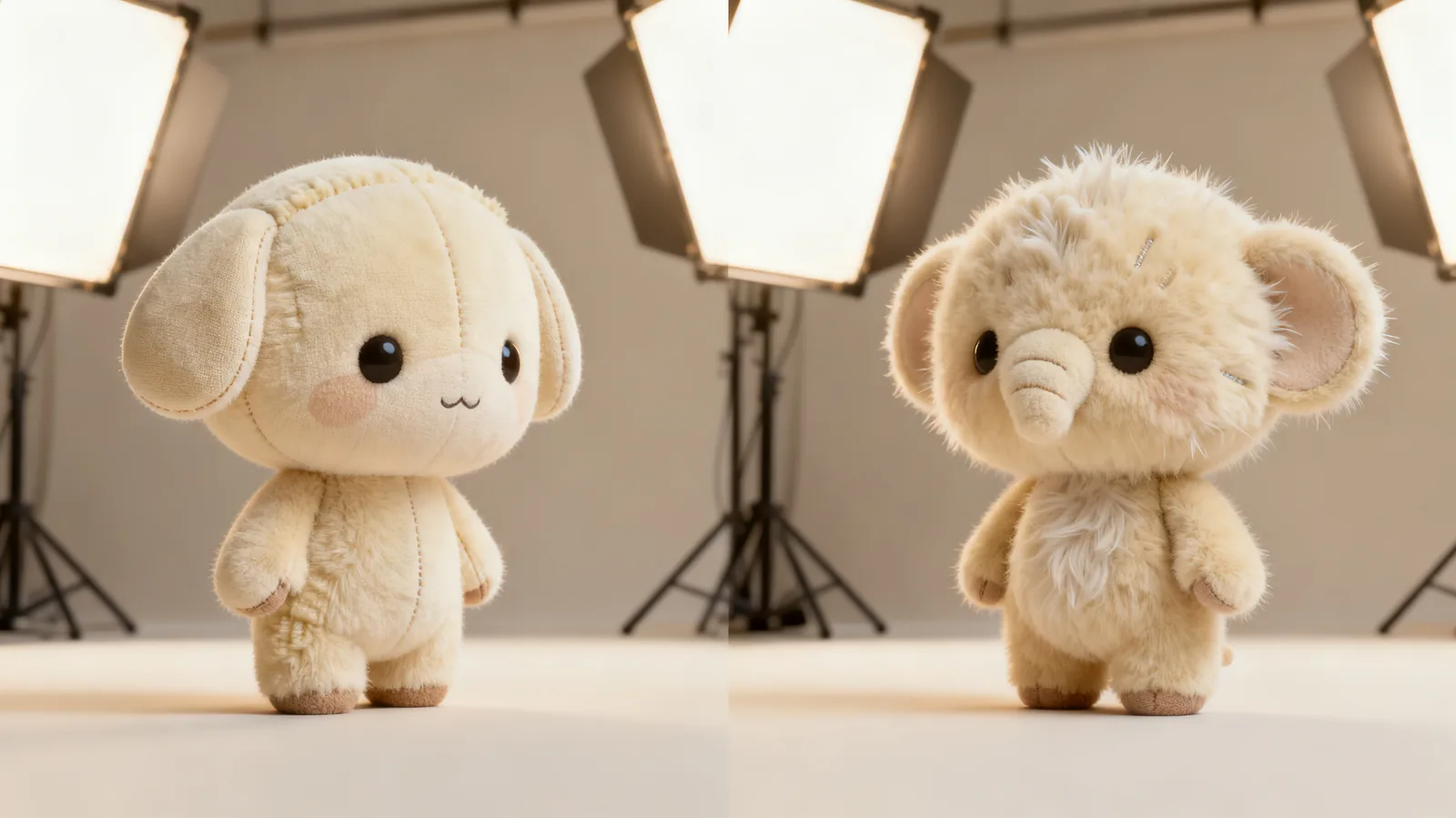
Explore this article
Quick answer
What this article explains
Developing a plush mascot for your brand involves a structured process: first, define your mascot's personality and purpose, translating it into 2D concept art. Next, adapt this artwork for plush manufacturing by selecting appropriate materials and technical specifications. Then, create and refine physical prototypes through a sampling process to ensure accuracy and quality. Finally, manage mass production, quality control, and logistics to bring your plush mascot to market.
The Power of Plush: Bringing Your Brand to Life
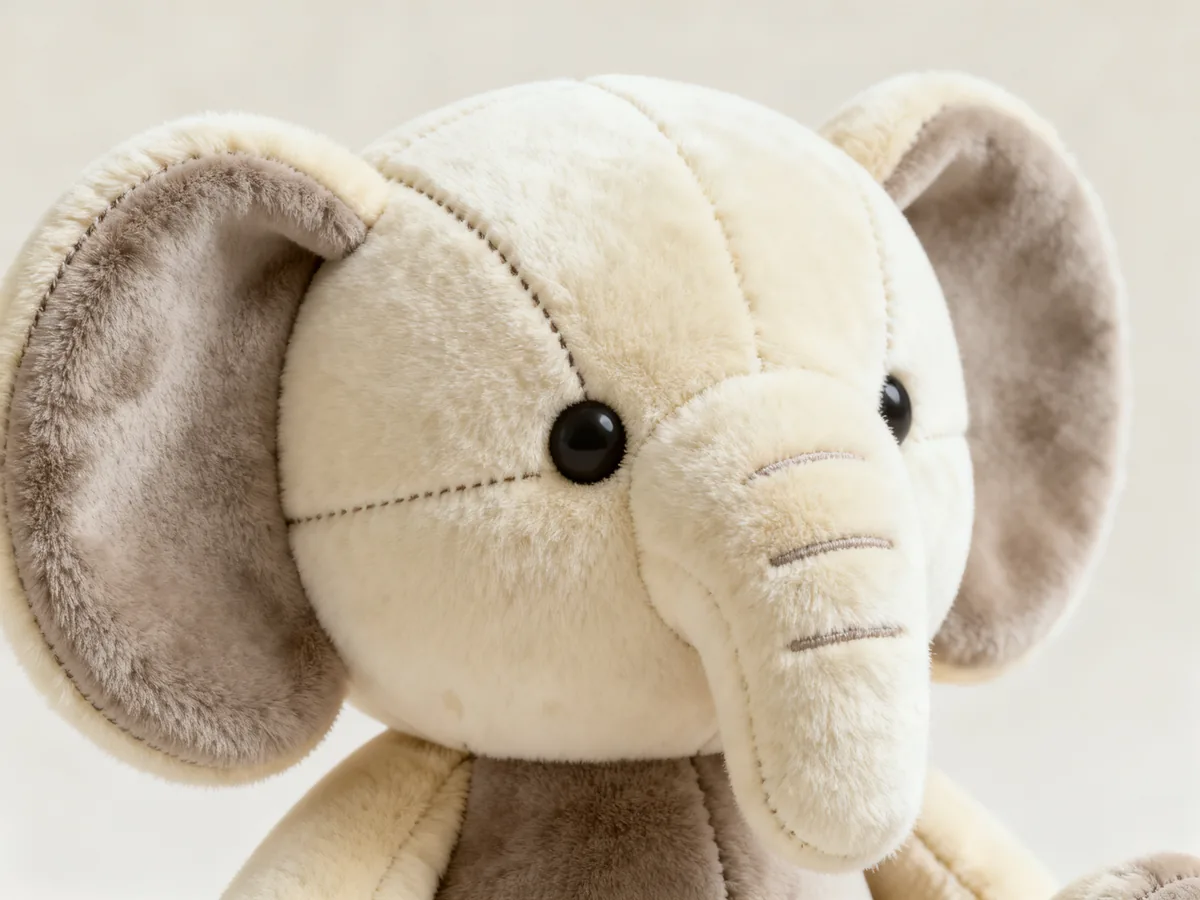
Image unavailable. Please reload this page.
In a crowded marketplace, brands seek unique ways to connect with their audience. A plush mascot offers a tangible, approachable, and memorable extension of your brand identity. More than just a toy, a well-designed plush character can become a beloved ambassador, fostering emotional connections, enhancing brand recall, and creating new avenues for engagement. It transforms abstract brand values into a huggable, relatable presence that resonates deeply with customers of all ages.
From Concept to Character: Crafting Your Mascot's Story and Look
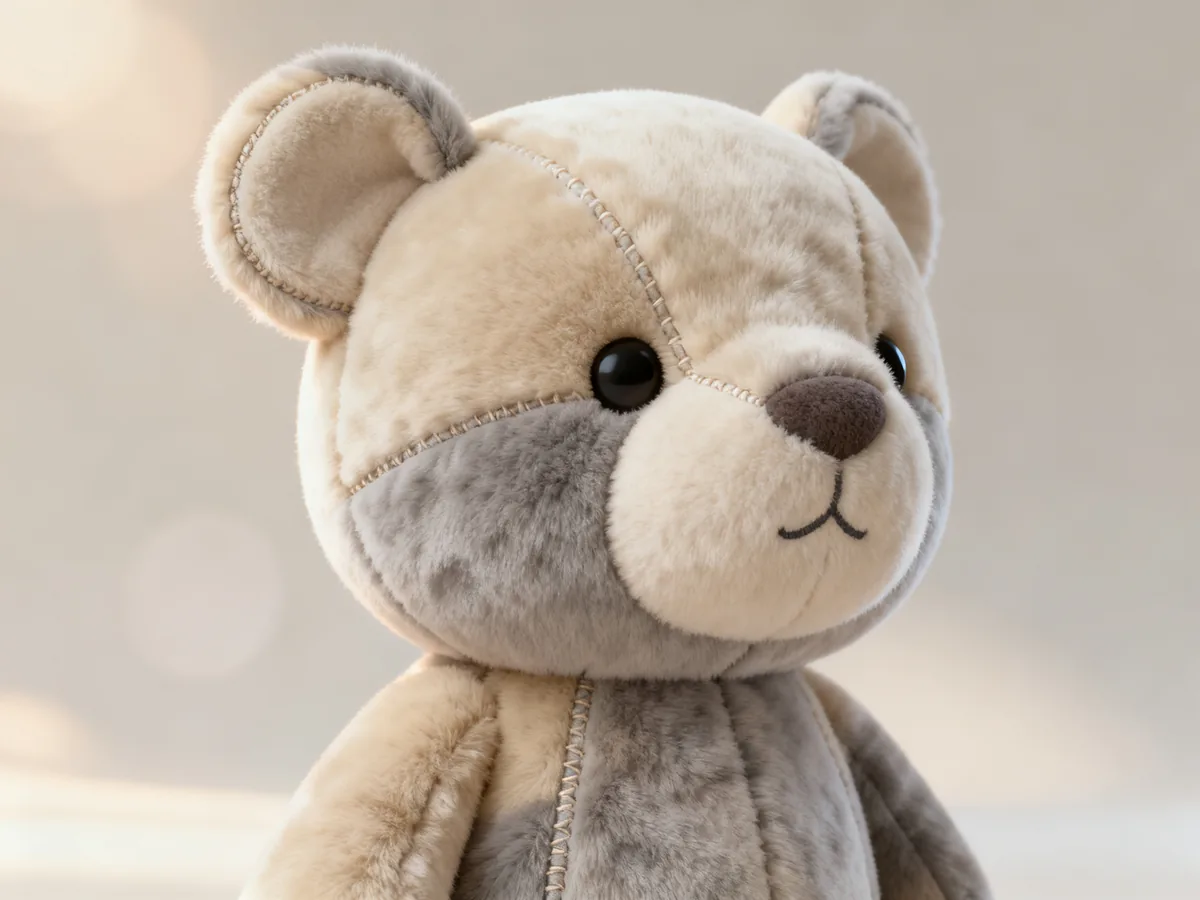
Image unavailable. Please reload this page.
The journey of developing a plush mascot begins with a clear vision. Before any drawing takes place, it is crucial to define the mascot's core identity. Consider its personality traits, backstory, and the specific message it needs to convey. Who is your target audience, and what emotions do you want your mascot to evoke in them? Aligning these elements with your brand's values ensures the mascot feels authentic and integrated.
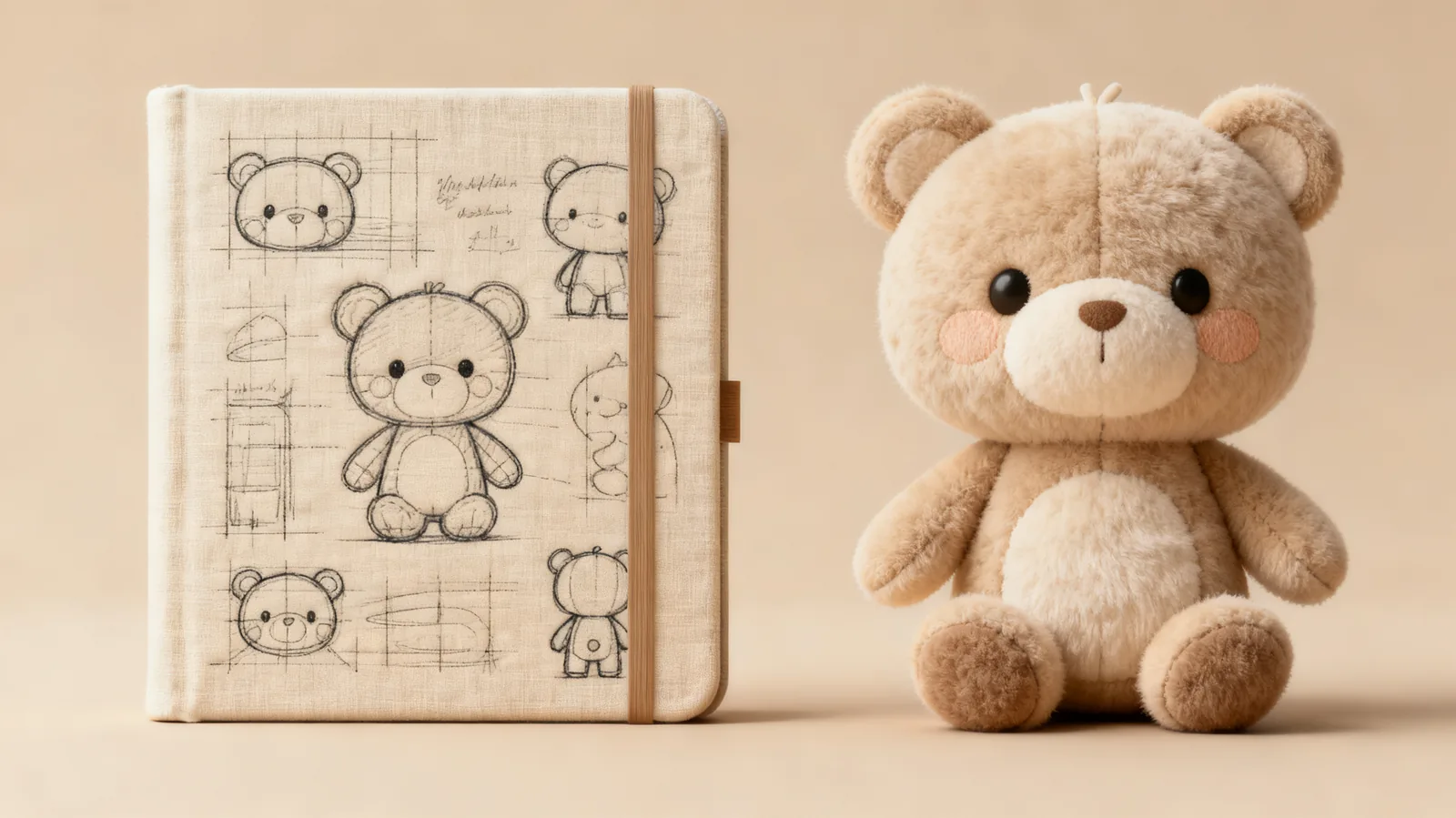
Once the personality is established, the concept moves into visual development. This involves creating initial 2D sketches, exploring different poses, expressions, and color palettes. This stage is about translating the character's essence into a visual form that is both appealing and practical for plush manufacturing. A detailed 2D concept, including front, side, and back views, along with expression sheets, serves as the foundational blueprint for the 3D plush.
- Target Audience Appeal: Ensure the design resonates with who you want to reach.
- Brand Alignment: The mascot should embody your brand's values and aesthetic.
- Distinctive Personality: Give your character unique traits that make it memorable.
- Scalability for Plush: Design with the understanding that it will be translated into a soft, three-dimensional object.
The Blueprint for Plush: Technical Design and Material Selection
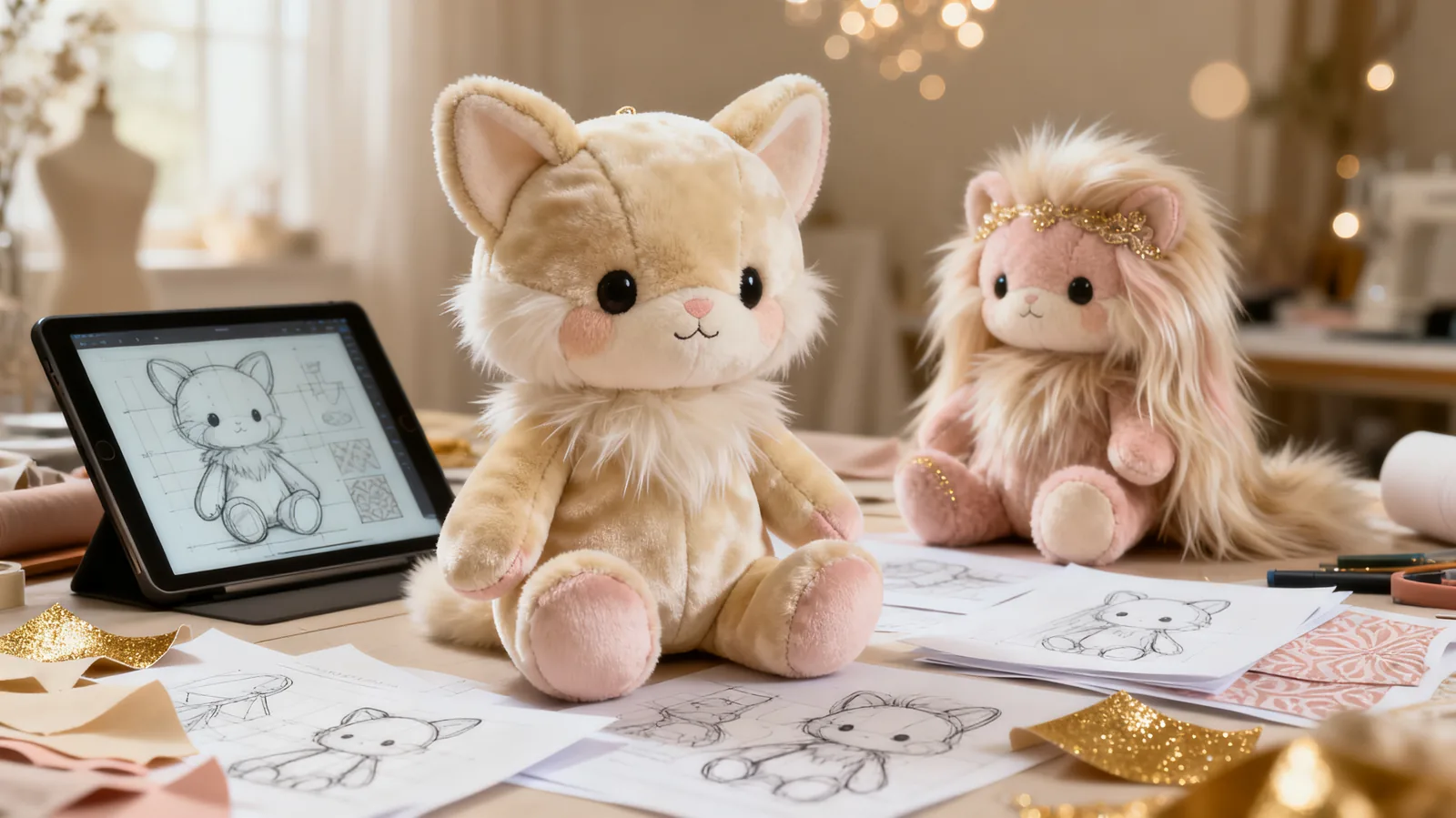
Translating a 2D drawing into a functional 3D plush requires specialized technical design. This involves creating detailed patterns that account for seams, stuffing, and the natural drape of various fabrics. The goal is to ensure the plush maintains the character's intended proportions and features when brought to life.
Material selection is a critical step that impacts the plush's feel, durability, and overall appearance. Different fabrics offer distinct textures and finishes. For instance, minky fabric provides a soft, velvety feel, while velboa offers a short, dense pile. Fleece is known for its warmth and resilience. The choice of stuffing material, such as polyester fiberfill, also affects the plush's squishiness and shape retention. Careful consideration of these elements ensures the plush not only looks right but also feels right in hand.
Safety standards are paramount. All materials used must comply with relevant toy safety regulations, such as ASTM F963 in the United States or EN71 in Europe. This includes testing for flammability, chemical content, and small parts hazards. Additionally, precise color matching, often achieved through Pantone references, is essential to maintain brand consistency across all elements of the mascot.
From Drawing to Doll: The Sampling and Refinement Process
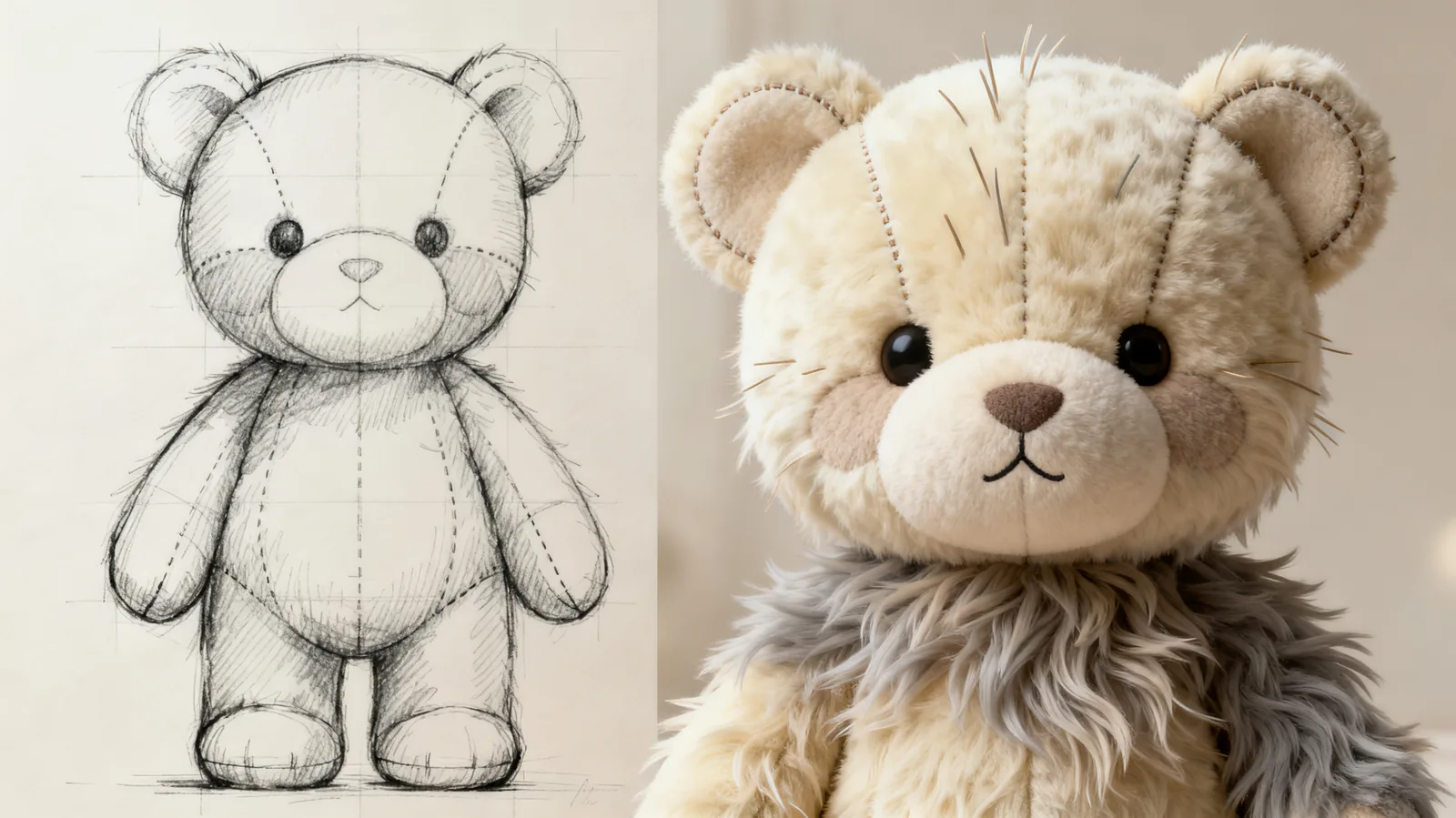
Once the technical designs and material selections are complete, the next crucial step is creating the first physical prototype, or sample. This initial sample is invaluable for evaluating how the 2D concept translates into a 3D plush. It allows you to assess the proportions, material feel, color accuracy, and overall quality in person. This is the moment to see your mascot take its first tangible form.
The sampling process is iterative. You will review the prototype in detail, providing feedback on any adjustments needed. This might include refining embroidery details, adjusting seam placements, altering stuffing density, or tweaking fabric choices. It is common for several rounds of samples to be created and refined until the plush perfectly aligns with your brand's vision and quality expectations. This meticulous attention to detail ensures the final product is a faithful and high-quality representation of your mascot.
The approved final sample serves as the golden standard for mass production, ensuring every subsequent plush produced meets the exact specifications and quality benchmarks established during this critical phase.
Mass Production and Quality Control: Launching Your Plush Mascot
With an approved sample in hand, the project moves into mass production. This stage involves manufacturing the plush mascots in larger quantities, typically subject to minimum order quantities (MOQs). MOQs are established to make the production process efficient and cost-effective, and understanding them early in the planning process is important for budgeting and timelines. Production timelines can vary based on complexity and quantity, so clear communication and planning are key.
Rigorous quality assurance (QA) is integrated throughout the manufacturing process. This includes inspecting incoming materials, conducting in-line checks during assembly, and performing a final inspection of finished products. These checks ensure consistency in quality, adherence to design specifications, and compliance with all safety standards. Each plush mascot is examined to ensure it matches the approved sample and meets the highest standards before it leaves the factory.
Finally, the finished plush mascots are carefully packaged and prepared for shipment. Logistics are managed to ensure efficient delivery to your distribution centers or directly to market.
Claims, sources and limitations
- Developing a plush mascot for your brand involves a structured process: first, define your mascot's personality and purpose, translating it into 2D concept art. Next, adapt this artwork for plush manufacturing by selecting appropriate materials and technical specifications. Then, create and refine physical prototypes through a sampling process to ensure accuracy and quality. Finally, manage mass production, quality control, and logistics to bring your plush mascot to market.
The article 'Custom plush development' (https://justplush.com/custom-design.html) outlines the comprehensive process of creating custom plush, which inherently covers all the stages mentioned in the claim, from initial design and concept development to material selection, prototyping, and final production with quality assurance. Custom plush development