Explore this article
Quick answer
What this article explains
Your plush prototype often doesn't look exactly like the artwork due to five key design details that get lost or altered in translation: the shift from flat 2D shapes to volumetric 3D forms, the simplification required for fine details due to material limitations, the difference between implied textures in artwork and actual fabric properties, variations in color consistency from screen to fabric dye lots, and the necessary inclusion of seam lines for construction that are absent in 2D art.
Introduction: Bridging the Gap Between Vision and Reality
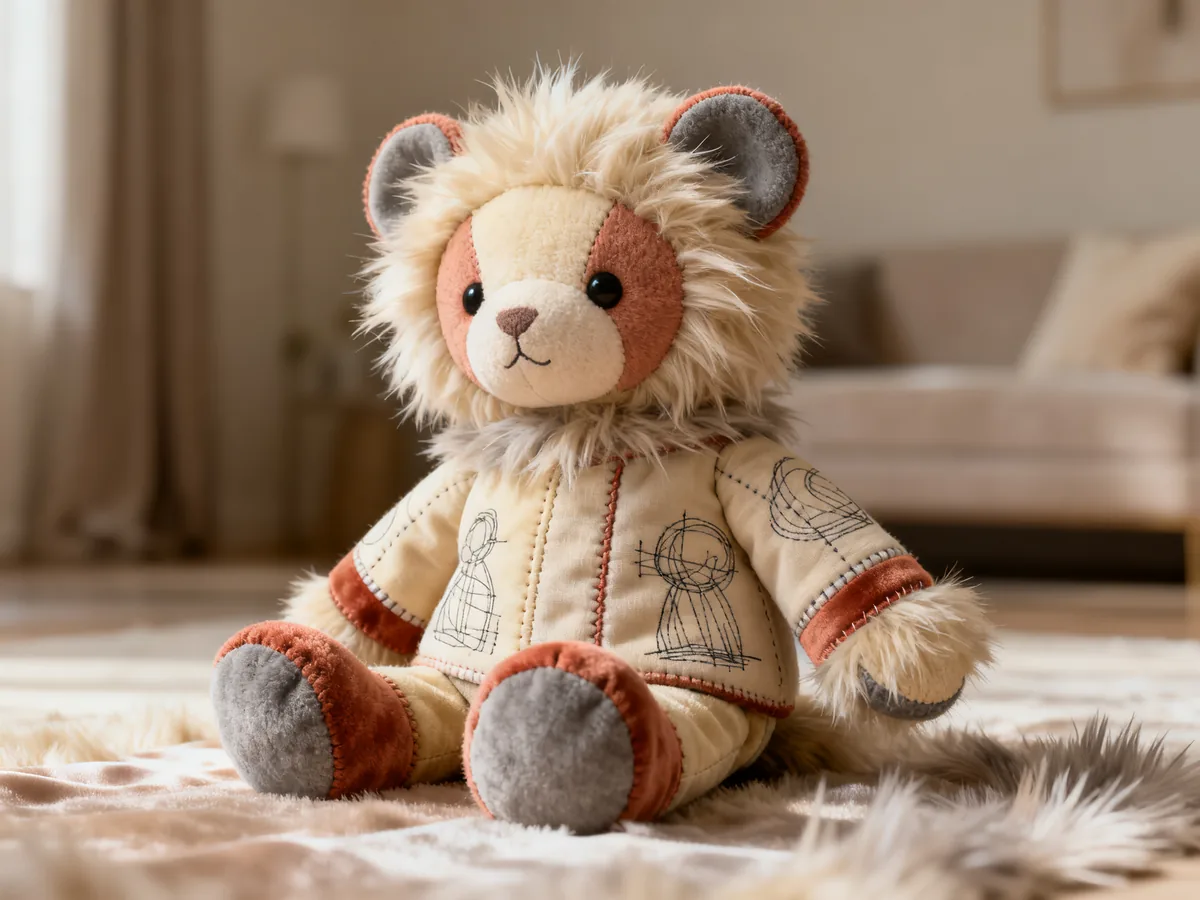
Image unavailable. Please reload this page.
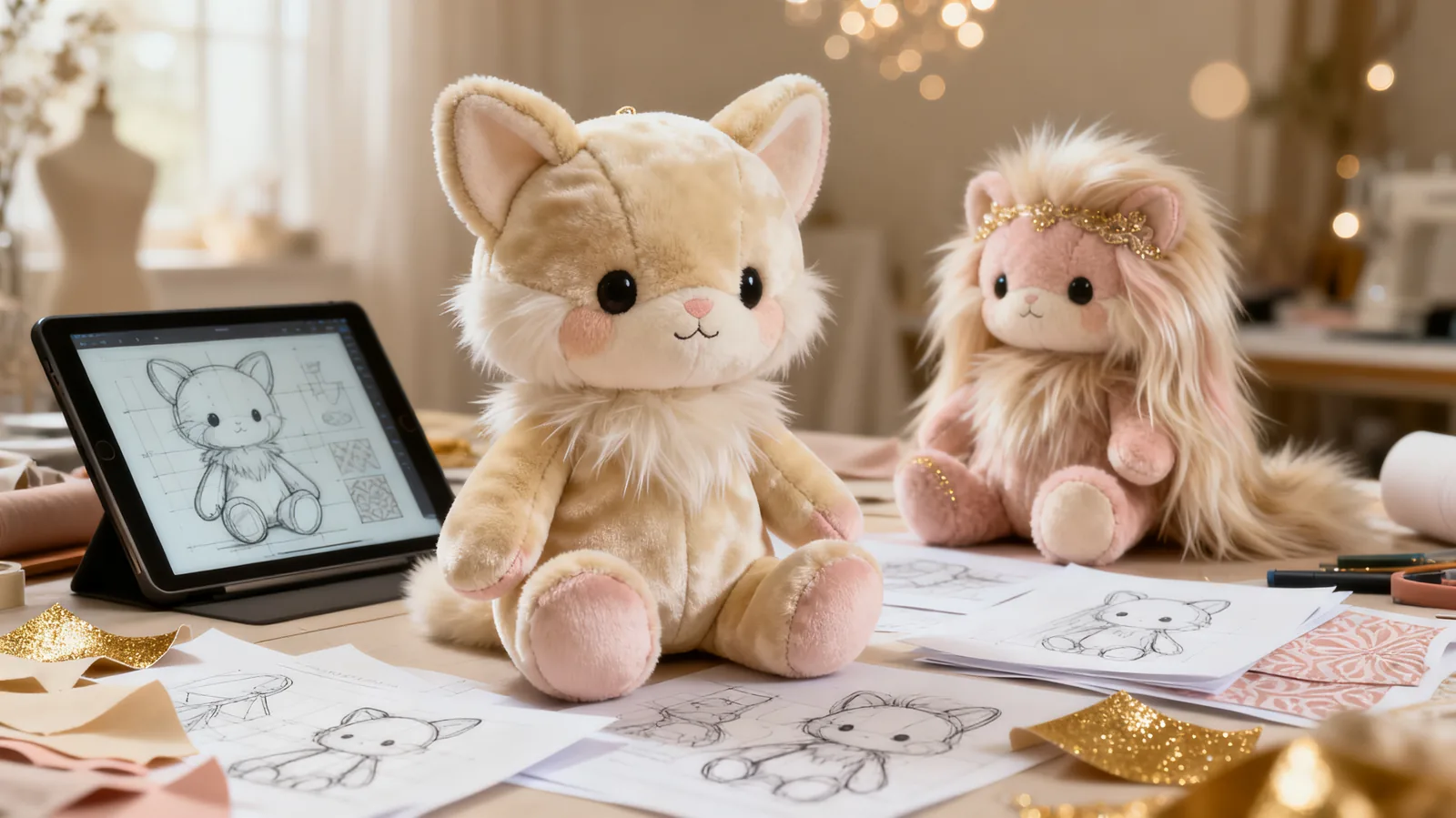
It’s a common scenario for brands and IP owners: you’ve poured creativity into stunning 2D artwork for a new character, envisioning it perfectly as a plush. The excitement builds as you await the first prototype, only to find that while it’s undeniably your character, it’s also… not quite what you pictured. It’s close, but there’s a subtle difference, a detail that didn’t translate exactly from screen to plush.
This experience isn't a sign of failure, but rather a natural part of the intricate process of translating a flat, two-dimensional concept into a tangible, three-dimensional object. Understanding the inherent challenges and nuances in this translation empowers you to provide better feedback, set realistic expectations, and collaborate more effectively with your plush development partner. Let's explore five key design details that often undergo transformation during this journey.
1. The Leap from Flat to Form: Shape and Proportions
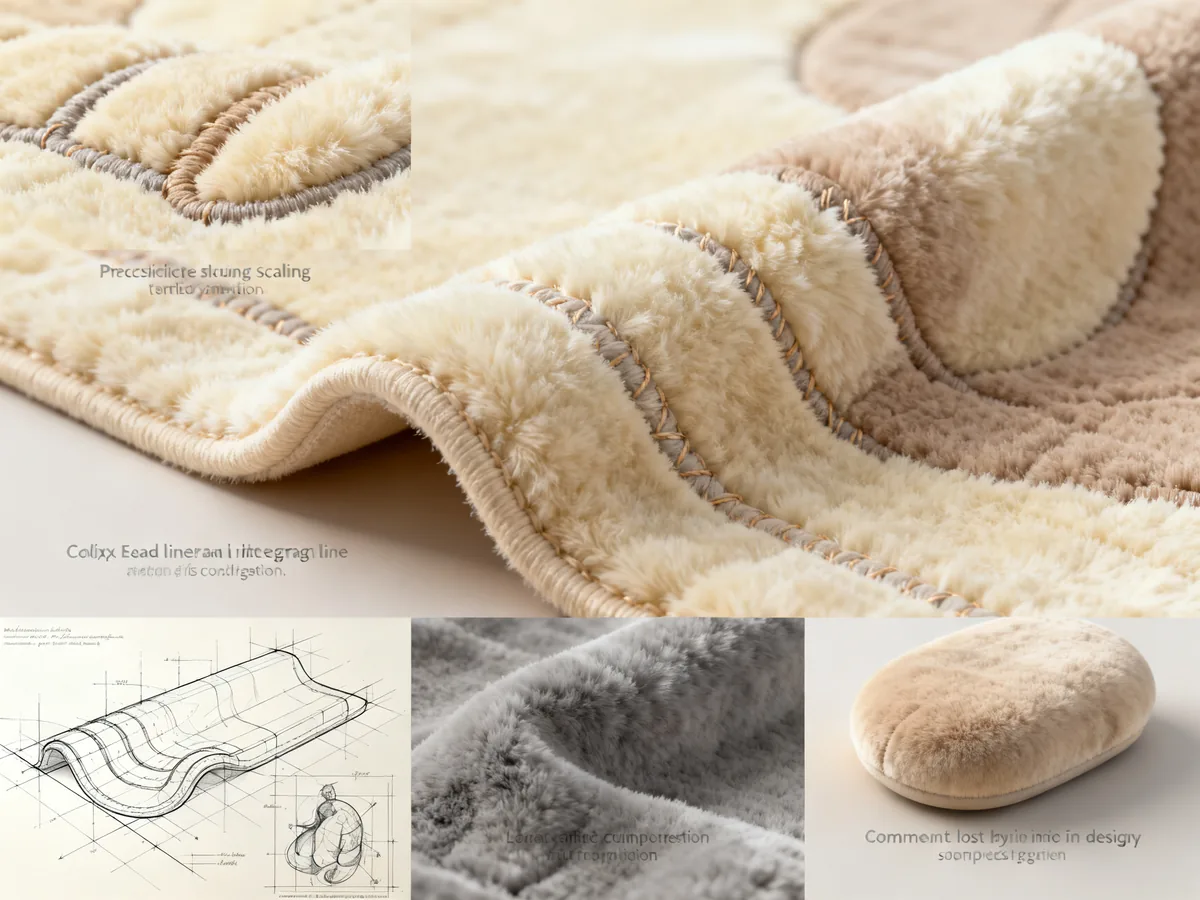
Image unavailable. Please reload this page.
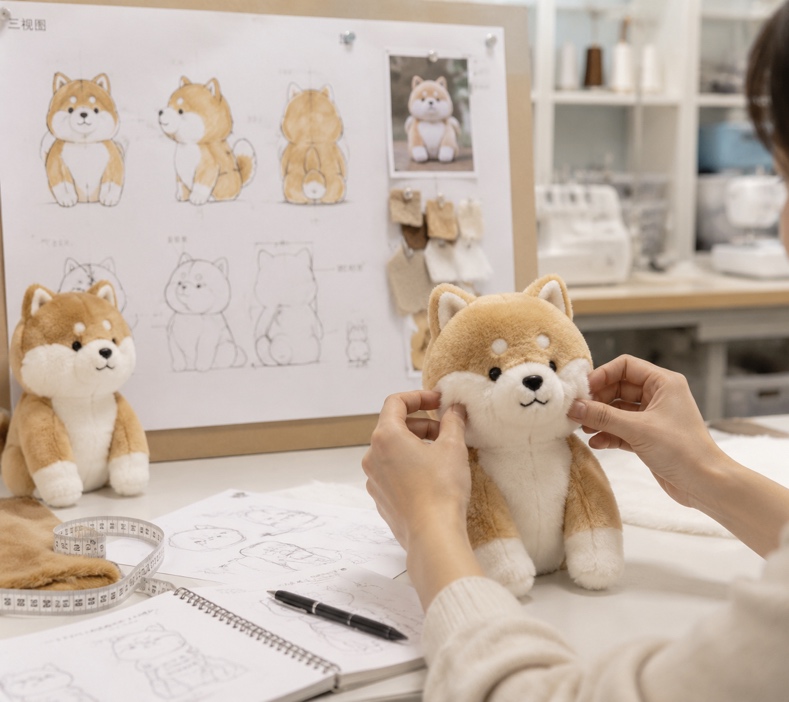
Artwork exists on a flat plane, where a character’s silhouette is defined by crisp lines and implied depth. A plush, however, is a volumetric object, built with fabric, stuffing, and seams. This fundamental shift from 2D to 3D is perhaps the most significant area where details can change.
What looks perfectly balanced and proportioned on paper can shift when translated into a physical form that can be viewed from all angles. A head that appears just right in a front-facing drawing might seem too large or small when given actual depth and volume. The 'squishiness' and inherent flexibility of plush materials also mean that a plush isn't rigid like a statue; its form is influenced by gravity and how it's handled, factors not present in static artwork. Experienced plush developers use sophisticated pattern making to translate these shapes, often requiring subtle adjustments to maintain the intended character, balance, and overall 'feel' in its new, physical dimension.
2. The Challenge of Miniaturization: Fine Details and Intricate Lines
Digital artwork allows for incredibly fine lines, tiny patterns, and delicate expressions. However, plush materials and manufacturing techniques have inherent physical limitations that can make replicating these minute details challenging.
For instance, embroidery, a common method for facial features and logos, has a minimum stitch thickness. Very thin lines in artwork might need to become slightly thicker or simplified to be recognizable and durable. Small text or intricate patterns can merge or lose definition. Similarly, appliqué, which involves sewing one piece of fabric onto another, struggles with very small or complex shapes, often requiring simplification for precise cutting and sewing. Even printing on fabric, while capable of complex patterns, is applied to a textile surface that has its own texture, which can affect the crispness of fine lines. Sometimes, a detail needs to be scaled up slightly or simplified to ensure it translates effectively and maintains its visual impact on the final plush.
3. Texture and Tactility: The Material Translation
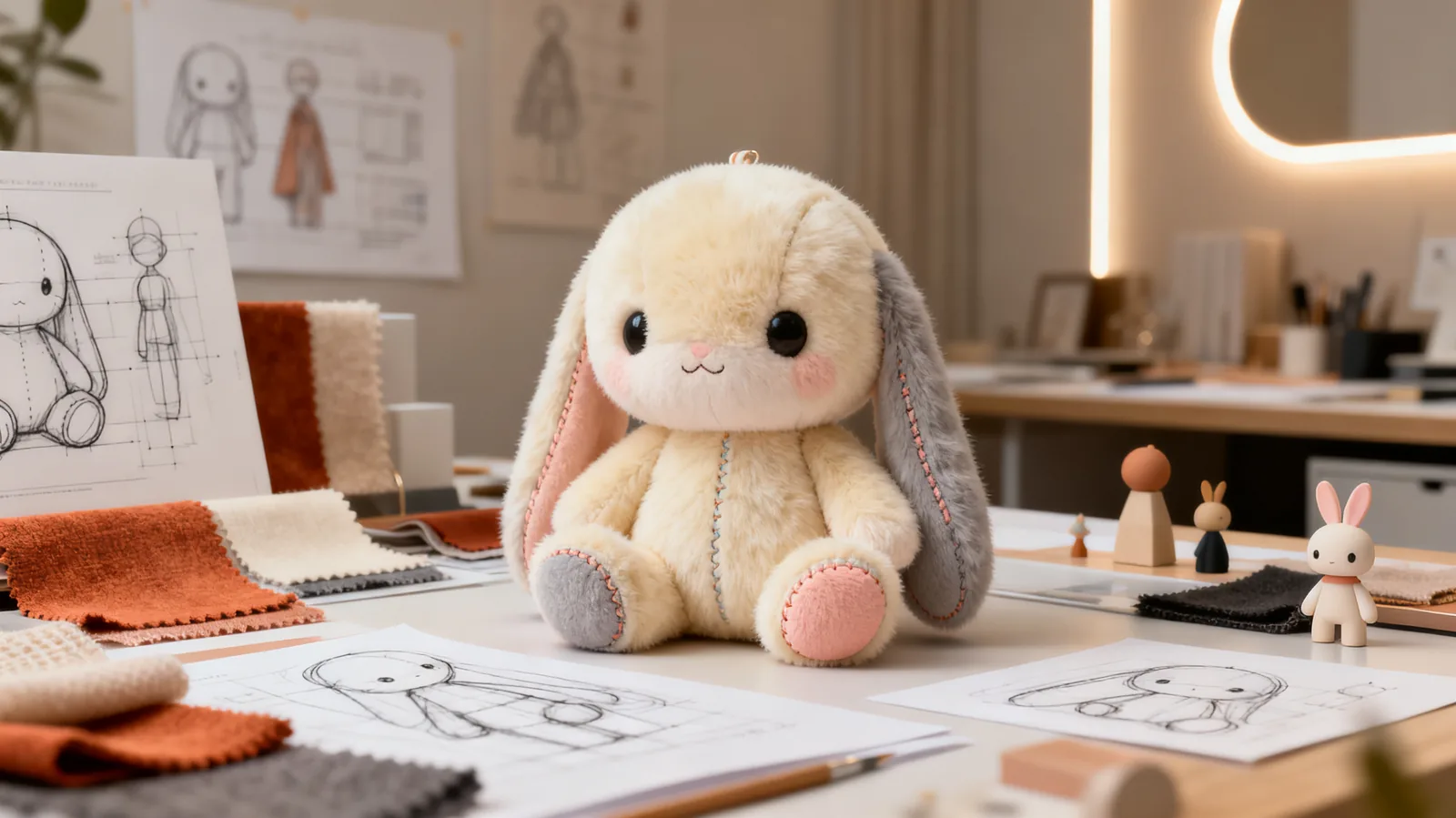
Artwork can imply a vast range of textures—fluffy fur, smooth skin, rough fabric, metallic sheen—through shading and artistic style. A plush, however, relies on actual physical materials, each with its own unique properties: pile length, sheen, drape, thickness, and how it reflects light.
A character drawn with 'short fur' might be translated using a soft velboa, a luxurious minky fabric, or a short-pile faux fur, each offering a distinct visual and tactile experience. The way light interacts with the pile of a fabric can change how colors appear and how shadows define the character's form, which can differ significantly from the implied textures in the original artwork. The choice of fabric profoundly impacts the plush's final look and feel, influencing how it 'sits,' drapes, and conveys the character's personality. Selecting the right material is a critical design decision that bridges the gap between implied and actual texture.
4. Color Consistency: From Screen to Fabric Dye Lot
Digital artwork colors, whether RGB or CMYK, are rendered on screens that are backlit and have varying calibrations. Fabric dyeing, on the other hand, involves physical pigments and chemical processes, introducing several variables that can lead to color discrepancies.
Different fabric types absorb dye in unique ways; a specific shade on minky might appear slightly different when applied to felt, cotton, or a different faux fur. Furthermore, slight variations can occur between different dye lots, meaning batches of the same fabric dyed at different times might have subtle color shifts. The texture and pile of the material itself also play a role, as a plush fabric's fibers can reflect light in a way that makes a color appear lighter or darker than it would on a flat, smooth surface. Experienced plush developers work diligently with physical color swatches and samples to achieve the closest possible match, understanding that an exact 1:1 translation from a digital screen to a physical dyed fabric can be a complex challenge.
5. The Unseen Blueprint: Seam Lines and Construction
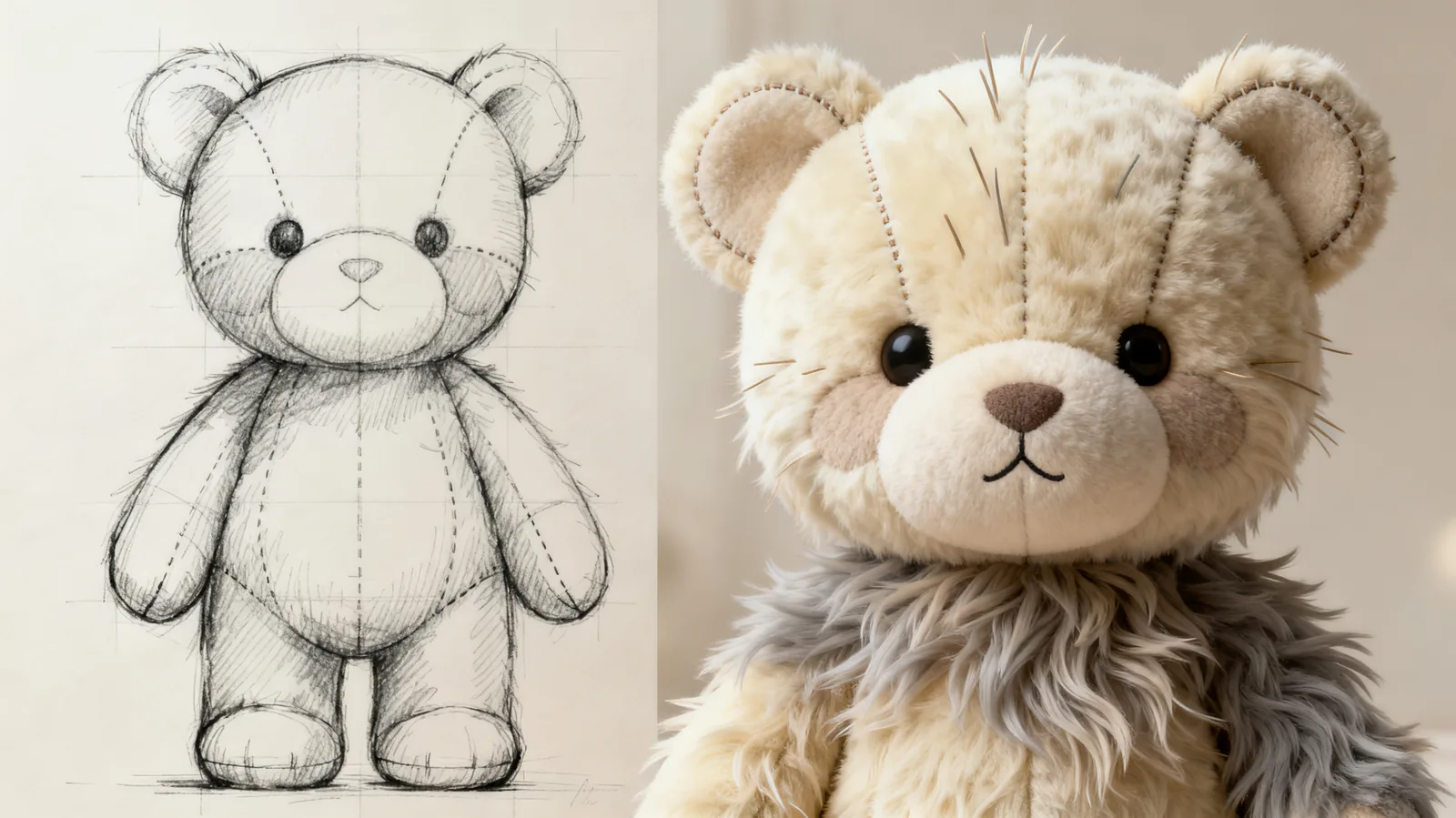
In 2D artwork, characters often appear with perfectly smooth, unbroken surfaces. However, to create a three-dimensional plush, fabric pieces must be cut and sewn together, necessitating seam lines. These seams, while essential for giving the plush its form and holding its stuffing, are often absent or highly simplified in the original artwork.
The placement and type of seam lines can significantly influence the final appearance, shape, and structural integrity of the plush. A character's perfectly smooth limb in artwork might require a subtle seam along its inner curve to achieve its intended 3D shape and allow for proper stuffing. Strategic seam placement is crucial for defining contours, enabling articulation, and ensuring durability. Sometimes, minor adjustments to the character's design might be needed to accommodate practical sewing patterns without compromising the overall aesthetic, ensuring the plush is both visually appealing and structurally sound.
Conclusion: Collaborating for Plush Perfection
Translating 2D artwork into a 3D plush is a specialized art and science. It involves navigating the inherent differences in dimension, material properties, and manufacturing processes. The subtle shifts in shape, the simplification of fine details, the tactile reality of fabrics, the nuances of color matching, and the necessity of seam lines are all part of this transformative journey.
Understanding these five key areas empowers brands and IP owners to better anticipate potential changes, provide more informed feedback, and collaborate effectively with their plush development partners. By working closely with experienced developers who understand these translation nuances, you can bridge the gap between your artistic vision and the tangible reality, bringing your brand's beloved characters to life as high-quality, cherished plush.