Explore this article
Quick answer
What this article explains
AI concept images are used in plush development primarily for rapid ideation and visual exploration of design directions, styles, and character interpretations. They serve as a starting point for discussion and creative refinement, allowing brands and IP owners to quickly visualize diverse aesthetic possibilities before committing to professional design, technical specifications, and physical prototyping. It is crucial to understand that these AI-generated images are not validated patterns, workmanship, or deliverable production specifications for manufacturing.
The Power of AI Concept Images in Plush Development
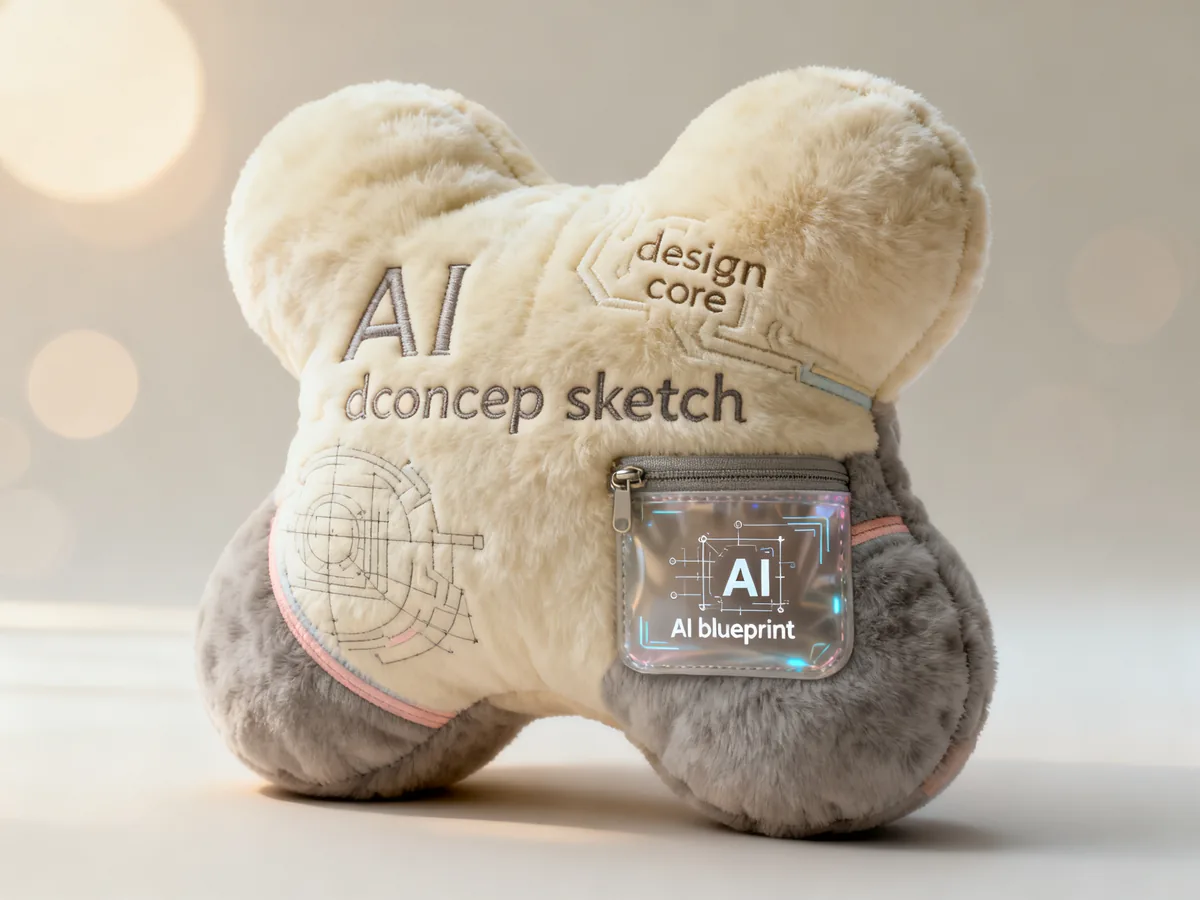
Image unavailable. Please reload this page.
AI concept images introduce a powerful new dimension to plush development, enabling brands and IP owners to rapidly explore a vast array of visual ideas. This technology excels at the initial ideation phase, providing a dynamic visual foundation for discussion and refinement. It allows for quick visualization of potential plush designs, sparking creativity and helping to define initial aesthetic directions. From the outset, it's crucial to understand that these images are for conceptual exploration and visualization, not for direct use as production specifications.
Leveraging AI for Rapid Ideation and Aesthetic Exploration
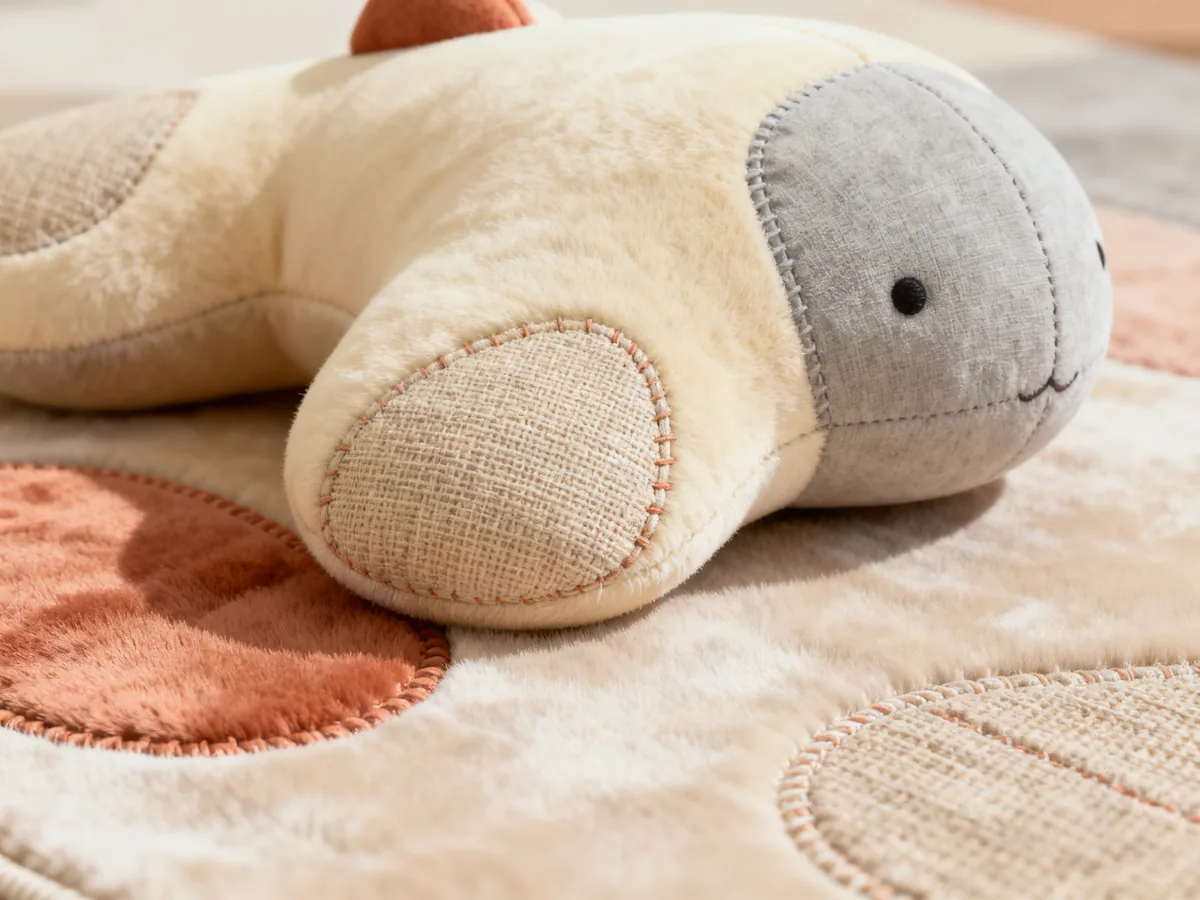
Image unavailable. Please reload this page.
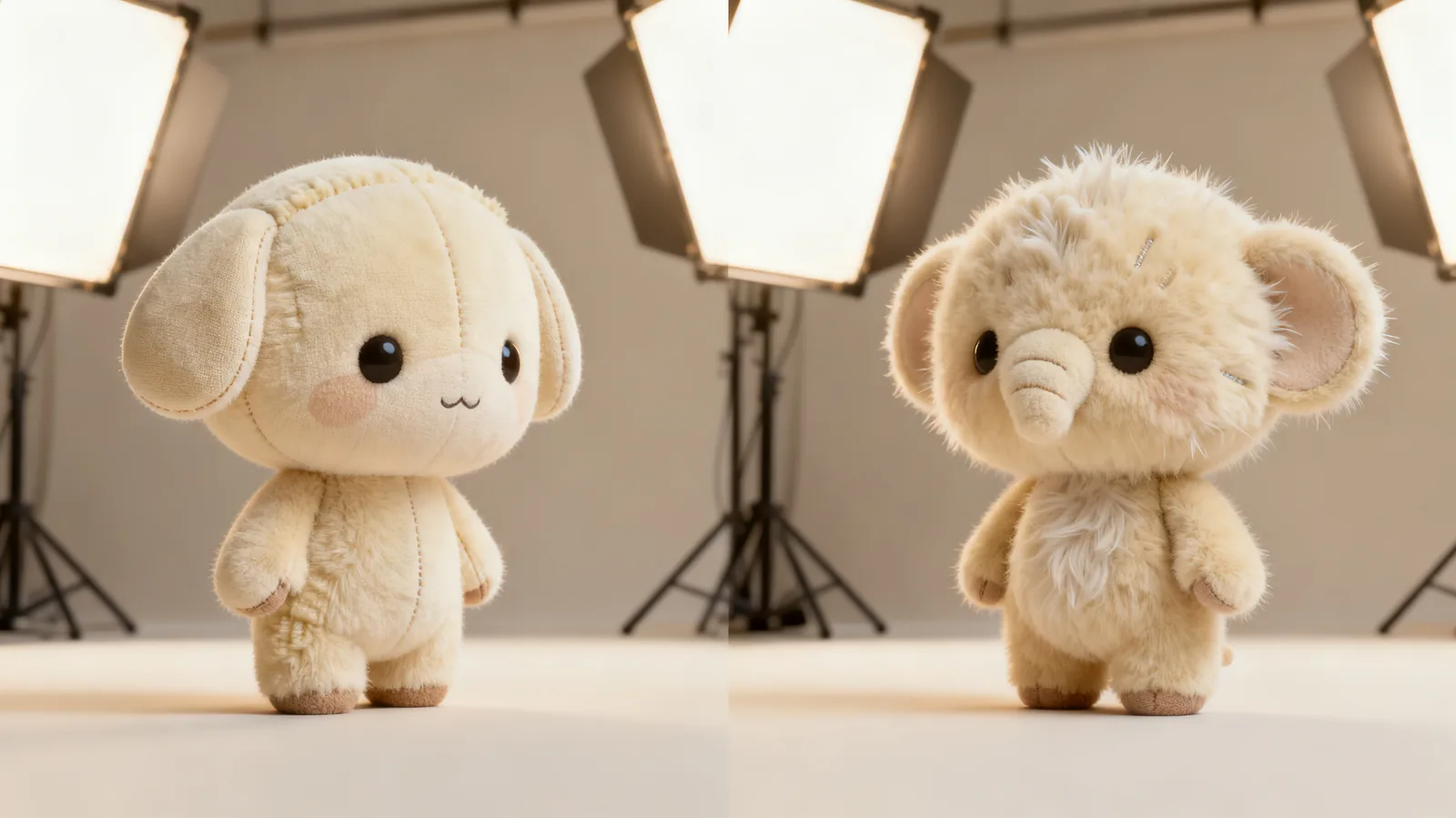
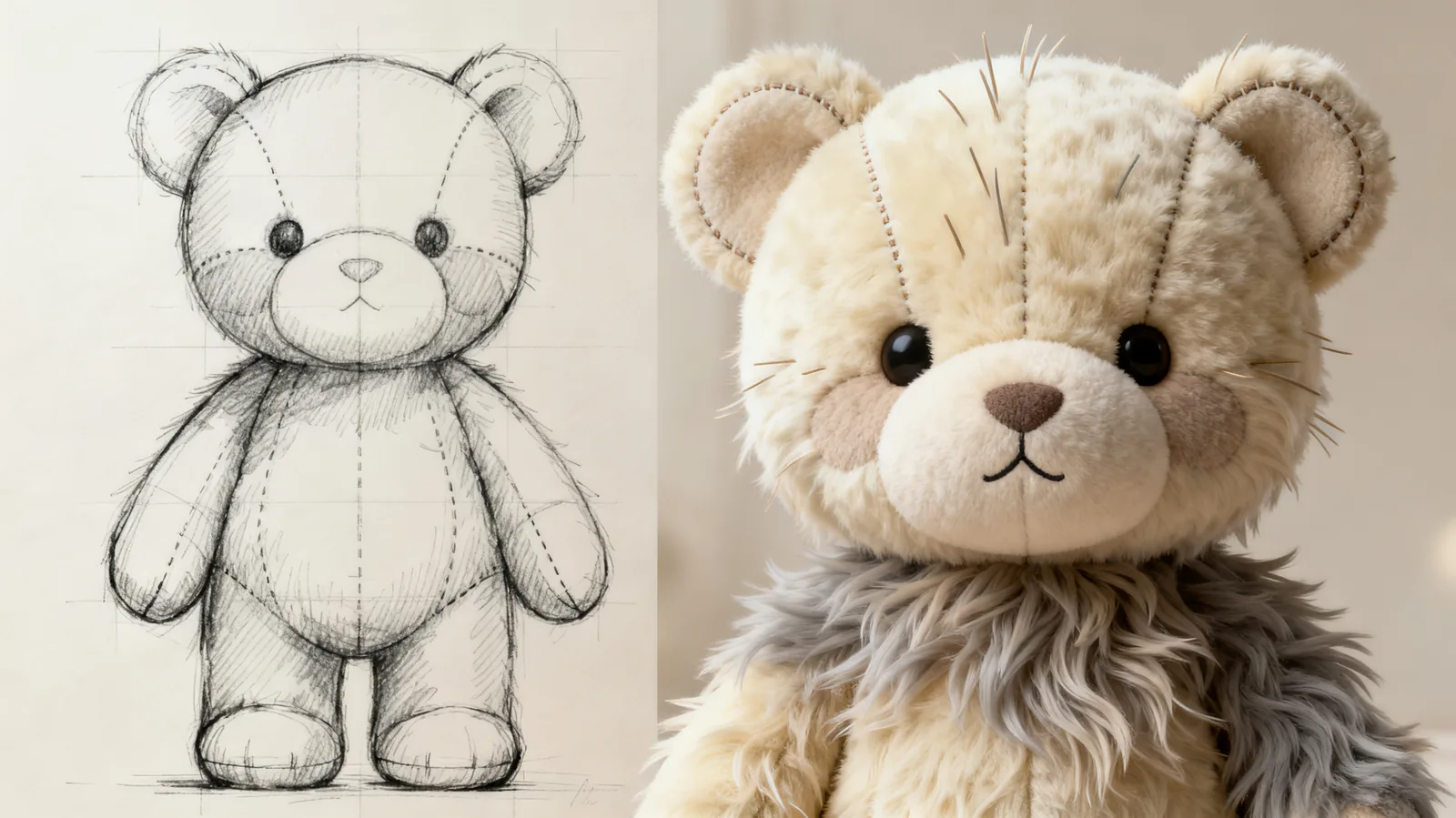
For brands and IP owners, AI concept images offer a significant advantage in the early stages of plush development by accelerating concept generation. They facilitate the rapid visualization of diverse styles, ranging from realistic interpretations to highly stylized or abstract forms. This speed allows for quick iteration on character poses, expressions, and overall aesthetics, helping to explore how existing intellectual property might translate into plush in novel ways. AI tools can also suggest visual "material" textures—such as fluffy, smooth, or textured appearances—purely for conceptual visualization, aiding in the exploration of different character designs, proportions, and color palettes. By generating numerous visual options in a short timeframe, AI streamlines the creative process, making it easier to identify preferred directions and refine the creative vision before investing in detailed design work.
The Critical Distinction: AI Concepts Are Not Production-Ready
It is vital to understand that AI-generated concept images are artistic interpretations and lack the technical precision required for manufacturing. They are not validated patterns, workmanship guides, or deliverable production specifications. These images do not account for critical factors such as structural integrity, material limitations, safety standards, or the intricate details of plush construction. An AI image cannot be directly handed to a factory for production; it serves solely as a visual guide and a starting point for professional design and engineering. Relying on AI concepts alone for manufacturing would lead to significant production challenges and potential safety issues.
From AI Vision to Tangible Plush: The Professional Development Process
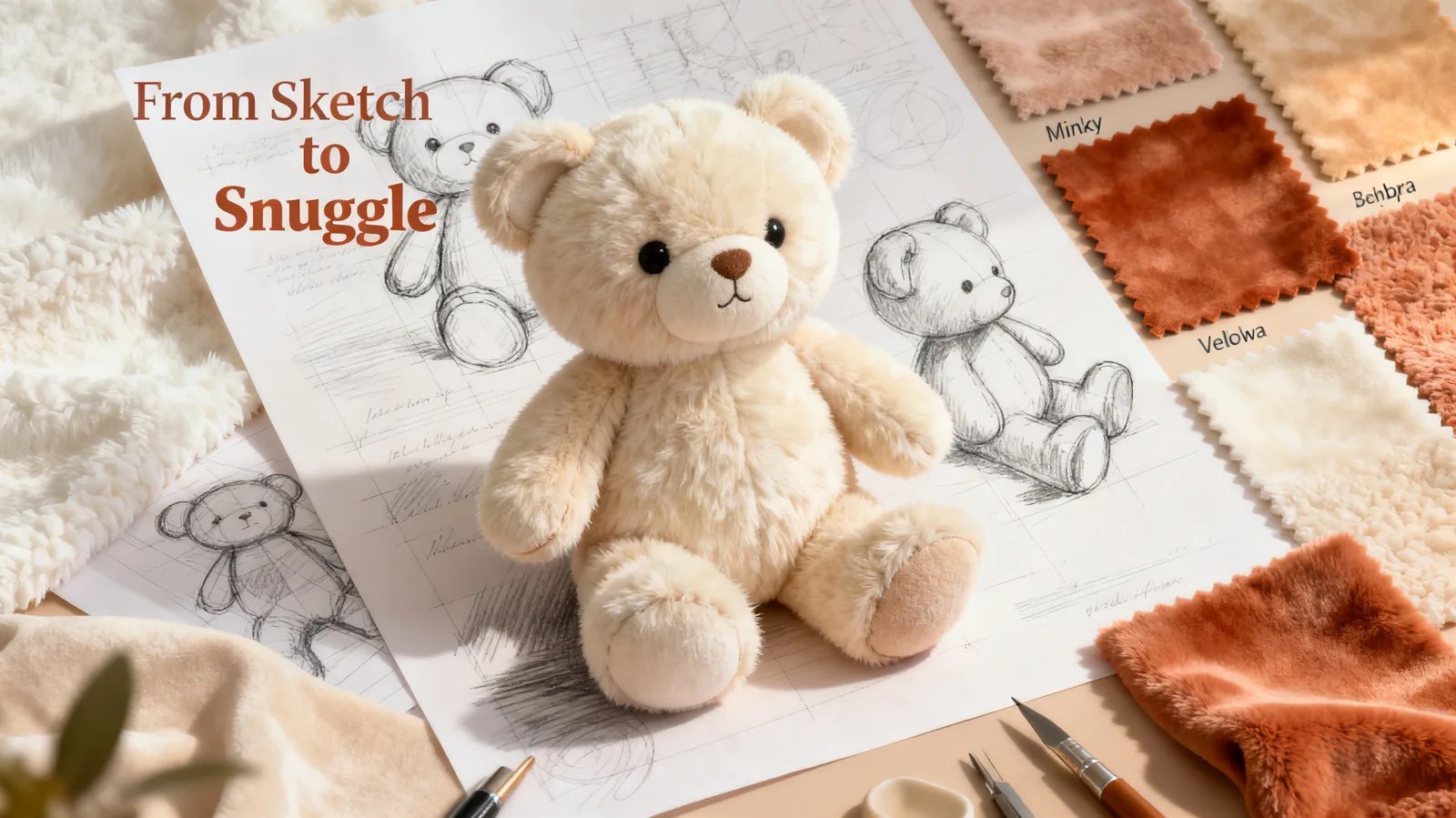
Once an AI concept image has successfully helped define the creative direction, the essential next steps involve professional human expertise. This critical phase includes detailed design work by experienced plush designers, who translate the visual concept into precise technical specifications, patterns, and material lists. Material selection, prototyping, and rigorous quality control are subsequent phases that ensure the plush not only matches the approved aesthetic but also meets all safety standards, durability requirements, and manufacturing feasibility. These professional steps are indispensable for transforming a compelling visual idea into a high-quality, tangible product ready for the market.
Integrating AI for Enhanced Plush Development
AI concept images are an invaluable tool for enhancing the ideation phase of plush development. When strategically combined with experienced plush development services, they streamline the initial creative process, allowing for efficient exploration of design possibilities and faster decision-making. The true potential of AI in plush development is realized when its conceptual strengths are complemented by professional design, engineering, and manufacturing expertise, effectively bridging the gap from an inspiring visual idea to a market-ready, high-quality plush product.