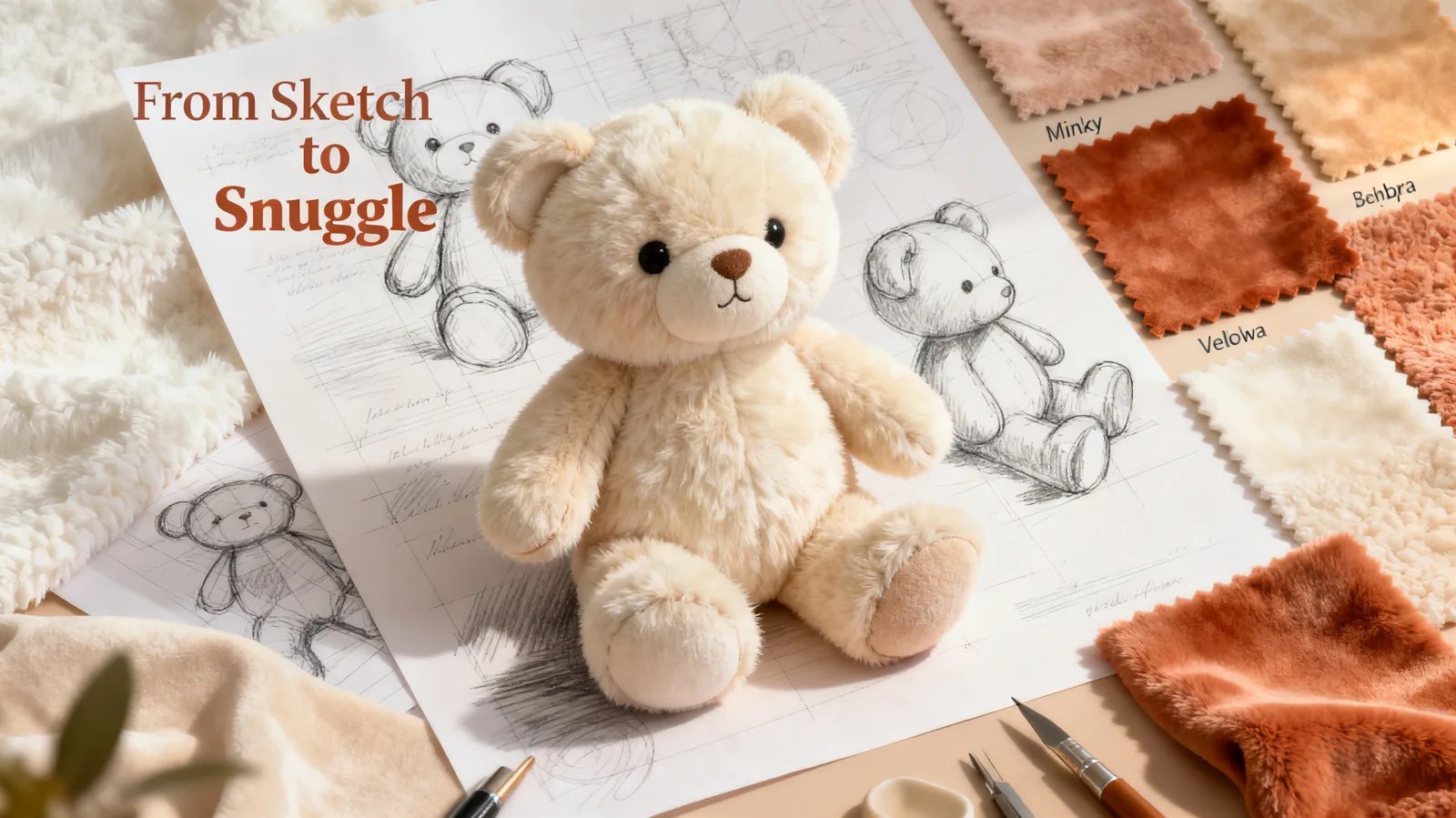
Explore this article
Quick answer
What this article explains
Successfully moving a plush concept from idea to production hinges on clear design intent, understanding physical manufacturing implications, and strategic material selection. Key decisions involve defining character essence, ensuring manufacturability, iterating through sampling, and proactively addressing potential risks. A well-structured process, from initial concept to final production, ensures the character's integrity is maintained while meeting quality and safety standards for a memorable physical product.
The magic of a well-loved character often begins on a screen or a page, captivating audiences with its unique personality and story. But for brand teams, IP owners, artists, and licensing managers, the dream extends beyond the digital realm: bringing that character to life as a tangible, huggable plush. This journey, from a vibrant 2D concept to a production-ready plush product, is both an art and a science, requiring careful consideration and strategic decisions at every turn. The primary question isn't just 'can it be made?', but 'what decisions help a plush concept move successfully from idea to production?'
At its heart, plush development is about translating essence. It’s about capturing the soul of a character—its expressions, proportions, and unique features—and rendering them in soft, three-dimensional form. This guide will walk you through the critical decision-making framework, exploring the practical implications of design choices, the nuances of material selection, the iterative sampling process, and how to navigate potential risks to ensure your character not only looks fantastic but is also ready for scalable production.
From Concept to Cuddly: The Initial Design Framework
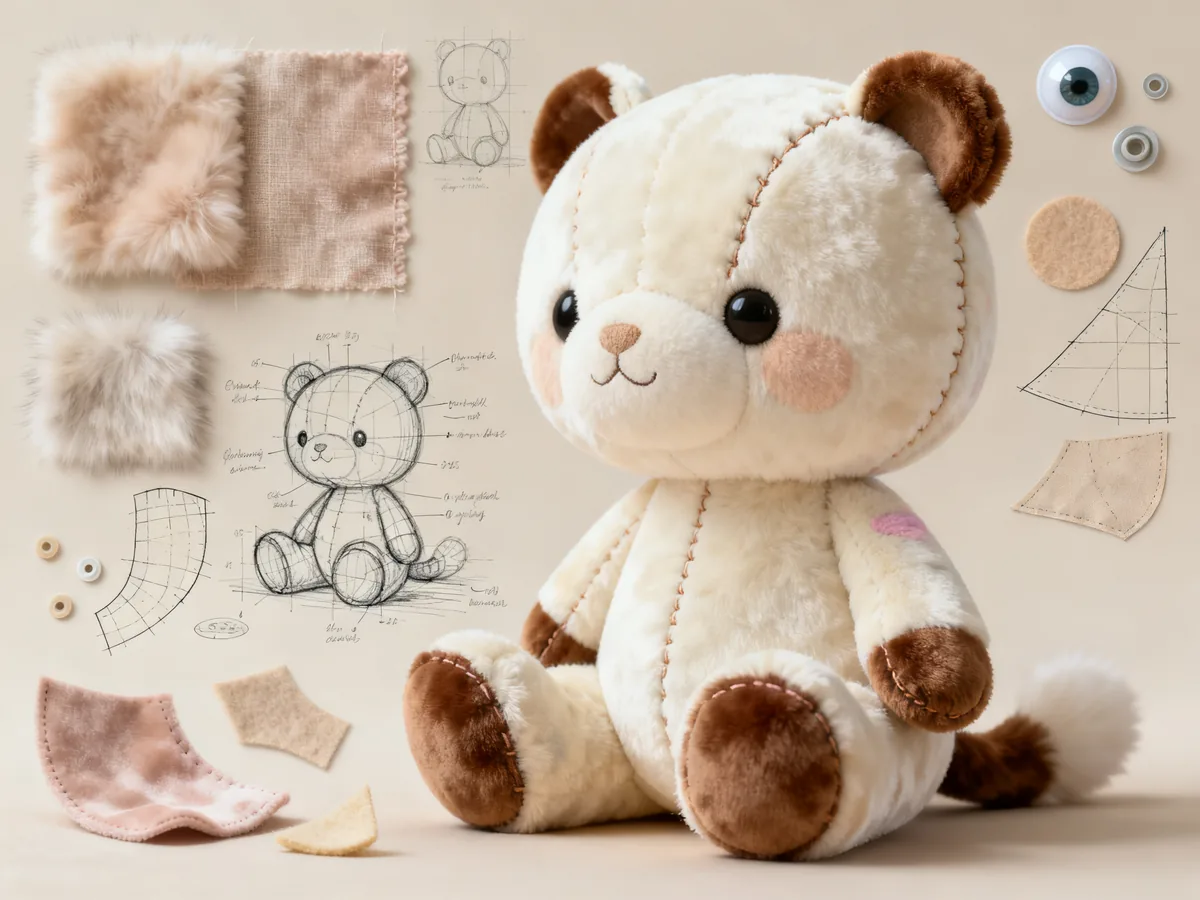
Image unavailable. Please reload this page.
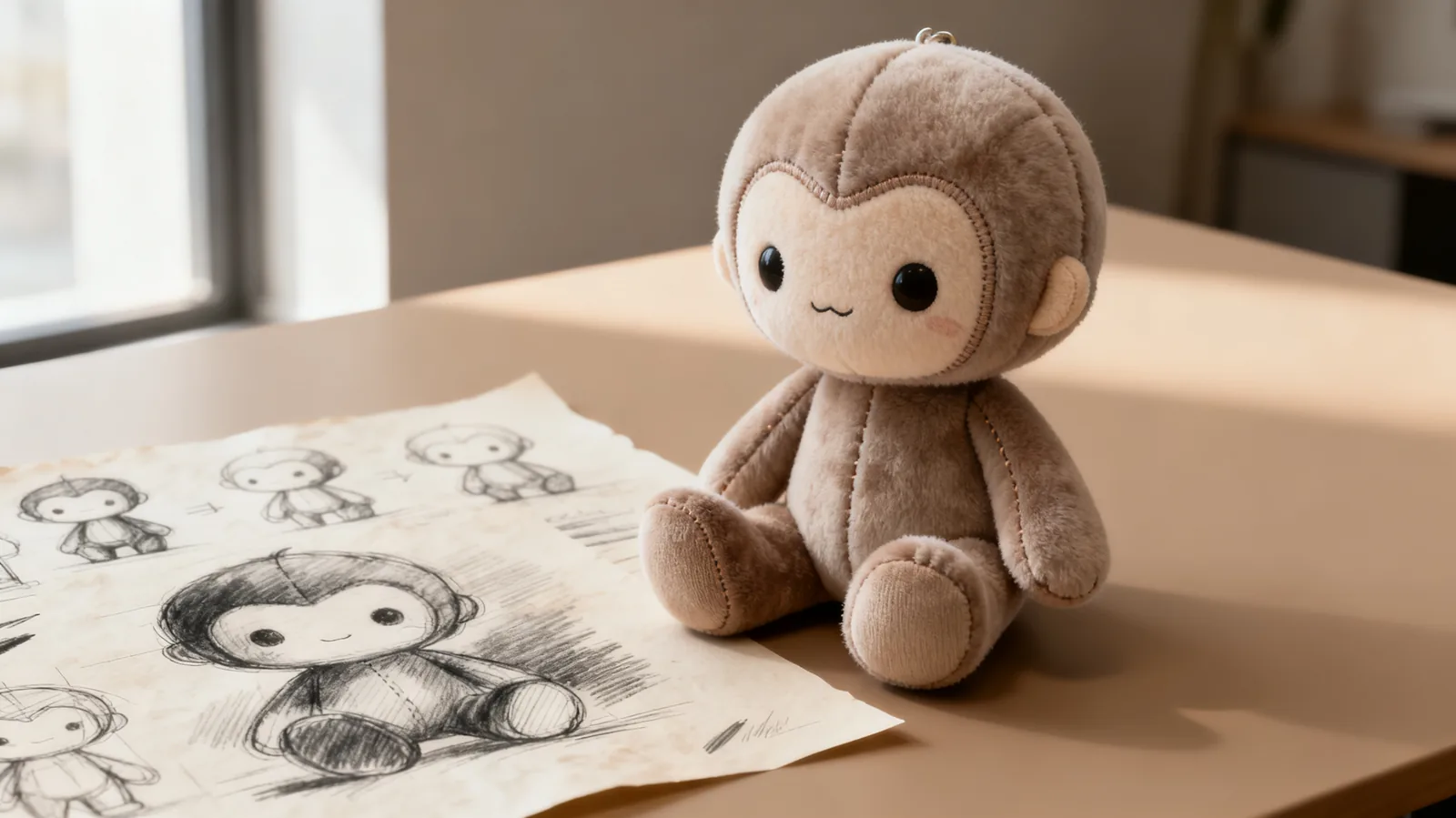
Before any fabric is cut or stitch is made, the most crucial decisions are conceptual. A clear, well-defined character concept is the bedrock of a successful plush. This involves more than just a pretty picture; it requires a deep understanding of your character's core identity, its target audience, and the emotional connection you aim to foster. Consider the character's key visual traits: its signature pose, its most recognizable expression, and any iconic accessories. These elements must be prioritized and translated thoughtfully.
Defining the plush's purpose is equally vital. Is it a collectible, a child's comfort toy, a promotional item, or a premium retail product? Each purpose carries different implications for size, material quality, safety standards, and overall complexity. A collectible might prioritize intricate details and unique textures, while a child's toy demands robust construction and strict safety compliance. Establishing these parameters early on helps streamline subsequent design and manufacturing choices, ensuring that the final product aligns perfectly with your brand's vision and market needs.
Translating Vision into Tangible Form: Physical Production Implications
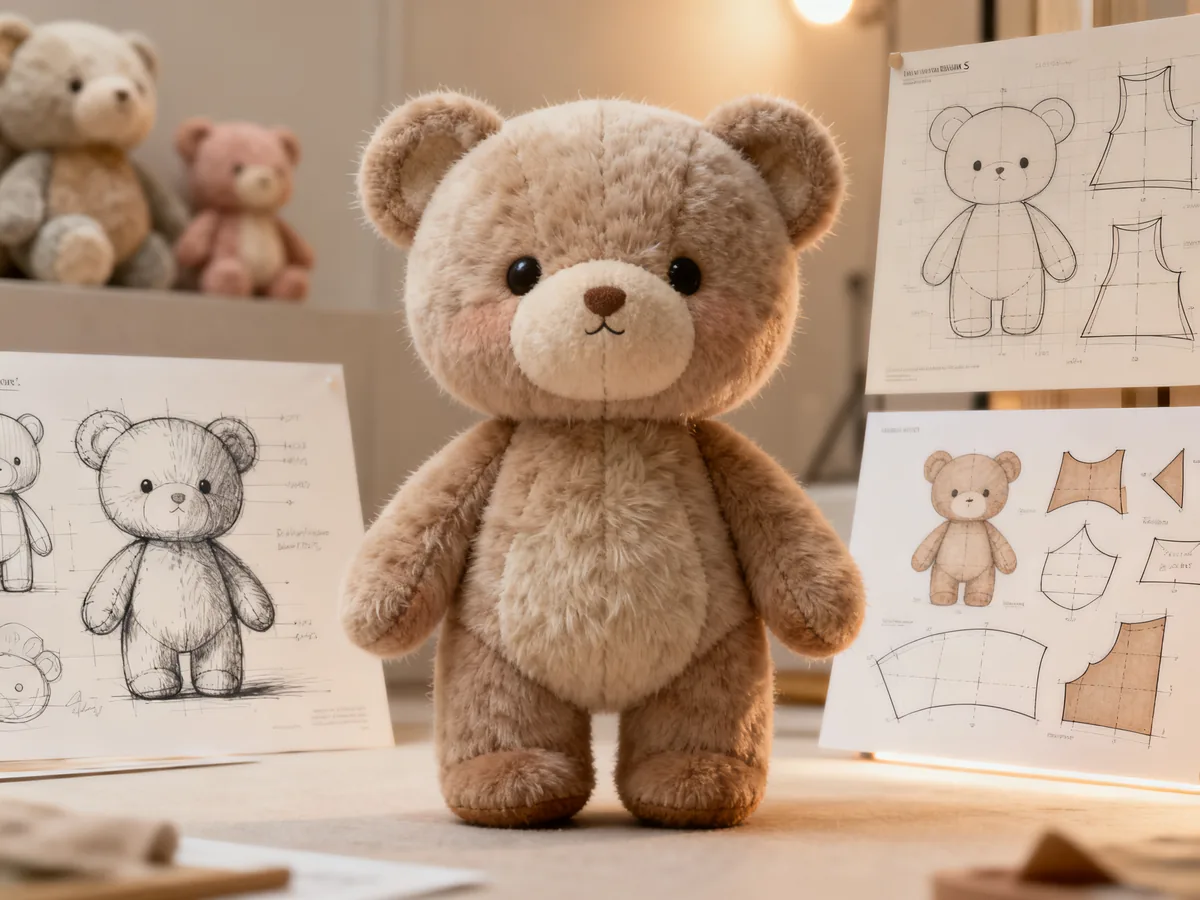
Image unavailable. Please reload this page.
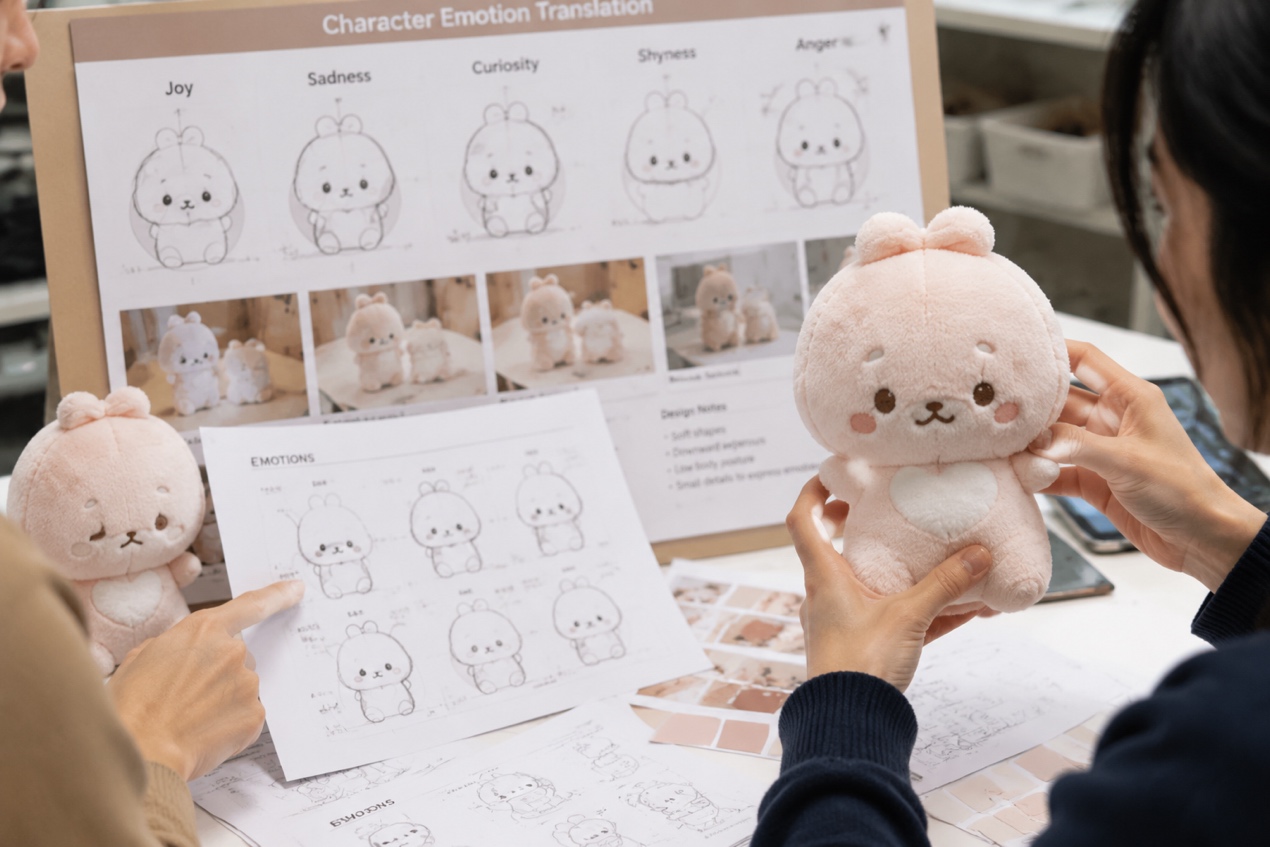
The leap from a flat illustration to a three-dimensional object is where many concepts face their first real challenges. What looks charming on paper might be structurally complex or cost-prohibitive in plush form. This stage requires a keen eye for manufacturability. Consider how your character’s unique shapes, limbs, and features will translate into fabric patterns and seams. Sharp angles in 2D often need to be softened or simplified in plush to maintain structural integrity and a pleasing tactile feel.
Proportions are another critical aspect. A character with oversized features or extremely thin limbs might require internal support structures or creative pattern engineering to prevent floppiness or breakage. Details like eyes, mouths, and logos can be achieved through embroidery, appliqué, or printing, each with its own aesthetic and cost implications. Understanding these physical production realities early in the design phase can prevent costly revisions down the line. A collaborative approach with manufacturing experts at this stage is invaluable for identifying potential hurdles and finding elegant solutions that preserve the character's essence.
The Fabric of Imagination: Material Selection and Its Impact
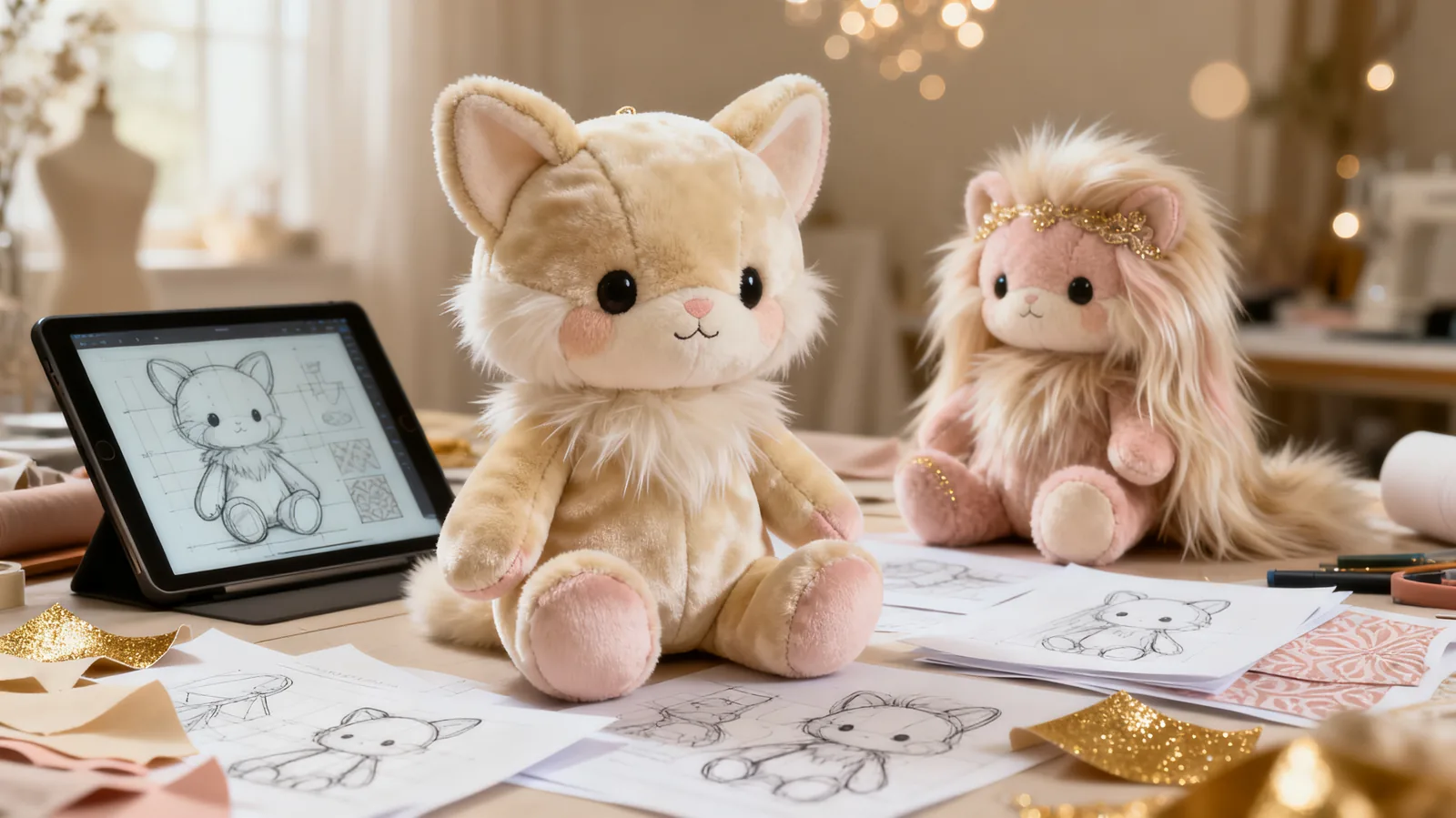
The choice of materials profoundly impacts the look, feel, durability, and cost of your plush. It’s not merely about aesthetics; it’s about the tactile experience and how the material interacts with the character's design. Common plush fabrics include soft velboa, luxurious minky, durable felt, and various types of faux fur, each offering distinct textures and pile lengths. A character with a smooth, sleek appearance might benefit from velboa, while a fluffy creature would demand a longer pile faux fur. The stuffing material—typically polyester fiberfill—also plays a role in the plush's squishiness and shape retention.
Beyond the main fabric, consider accent materials for details like eyes, noses, and clothing. Safety is paramount, especially for products intended for children. Materials must be non-toxic, durable, and meet relevant safety standards (e.g., ASTM F963 in the US, EN71 in Europe). The tactile experience is central to plush appeal; the right material can make a character feel comforting, playful, or premium. Experimenting with different material combinations during the sampling phase is crucial to achieving the desired aesthetic and sensory experience while adhering to safety and budget requirements.
Bringing Prototypes to Life: The Sampling Process
The sampling process is the bridge between concept and mass production—an iterative dance of creation and refinement. This is where your 2D design takes its first physical form, allowing you to evaluate its translation into 3D. The initial prototype, often called a 'first sample' or 'pattern sample,' focuses on capturing the character's core shape, proportions, and key features. It's a critical moment for feedback: does it look like your character? Does it feel right? Are the proportions accurate? Are there any unexpected structural issues?
Subsequent samples, such as 'material samples' or 'pre-production samples,' incorporate refinements based on your feedback, focusing on material choices, embroidery details, color matching, and overall finish. This iterative feedback loop is essential. It's a chance to fine-tune every detail, from the exact shade of thread for an embroidered eye to the firmness of the stuffing. Rushing this stage or providing unclear feedback can lead to dissatisfaction with the final product. A thorough, collaborative sampling process ensures that when production begins, the plush perfectly embodies your character's spirit and meets your quality expectations.
Navigating the Unknown: Identifying and Mitigating Production Risks
Even with meticulous planning, the path to production can present unforeseen challenges. Proactively identifying and mitigating potential risks is a hallmark of successful plush development. One significant area is supply chain stability. Material availability, lead times, and shipping logistics can all impact production schedules. Working with experienced manufacturers who have established supply networks can help buffer against these disruptions. Quality control is another critical risk area; ensuring consistent quality across thousands of units requires robust inspection protocols at various stages of production.
Safety compliance is non-negotiable, particularly for products entering consumer markets. Different regions have varying safety standards for toys and children's products. Ensuring your plush undergoes appropriate testing (e.g., for flammability, small parts, chemical safety) is crucial to avoid recalls and protect your brand's reputation. Intellectual property protection is also vital; safeguarding your character designs and brand assets throughout the manufacturing process requires clear agreements and trusted partnerships. Addressing these risks head-on, rather than reacting to them, ensures a smoother and more secure production journey.
Avoiding Common Pitfalls: Mistakes to Sidestep in Plush Development
Many common mistakes in plush development stem from a lack of foresight or an underestimation of the translation process. One frequent pitfall is over-complicating the design. While intricate details are appealing, they can significantly increase production costs and complexity, sometimes making a plush fragile or difficult to manufacture consistently. Another mistake is neglecting manufacturability during the initial design phase, leading to extensive revisions during sampling or even a complete redesign.
Underestimating budget and timeline requirements is also common. Quality plush production takes time for design translation, material sourcing, sampling iterations, and manufacturing. Rushing the process often compromises quality. Poor communication between the brand and the manufacturer can lead to misunderstandings, missed details, and delays. Clear, concise feedback and open dialogue are essential. Finally, failing to consider the end-user experience—how the plush will be held, played with, or displayed—can result in a product that looks good but lacks practical appeal or durability.
Your Blueprint for Success: An Actionable Checklist for Plush Production
- Define Character Essence & Purpose: Clearly articulate your character's core identity, target audience, and the plush's intended use.
- Prepare Comprehensive Design Assets: Provide detailed 2D artwork (front, back, side views), color palettes (Pantone codes), and any specific material or feature notes.
- Consult on Manufacturability Early: Engage with manufacturing experts to assess design complexity and identify potential production challenges.
- Select Materials Strategically: Choose fabrics and stuffing that align with your character's aesthetic, tactile goals, and safety requirements.
- Budget for Iterative Sampling: Allocate time and resources for multiple rounds of samples to refine details and ensure accuracy.
- Establish Clear Communication Channels: Maintain open and consistent dialogue with your manufacturing partner, providing timely and specific feedback.
- Plan for Safety & Compliance: Understand and budget for necessary safety testing and certifications for your target markets.
- Consider Packaging & Presentation: Think about how the plush will be packaged and presented to enhance its perceived value and protect it during transit.
- Review IP Protection: Ensure all necessary agreements are in place to safeguard your intellectual property.
- Develop a Realistic Timeline: Account for all stages, from design approval to final delivery, building in buffer time for unforeseen adjustments.
The JUSTPLUSH Perspective: Partnering for Plush Perfection
Turning a compelling character idea into a memorable physical plush product is a journey that benefits immensely from experienced guidance. At JUSTPLUSH, we understand the nuances of this translation. As a creative plush manufacturing studio, our team brings more than 20 years of plush manufacturing experience to every project. We focus on supporting character and IP plush development, ensuring that the integrity of your vision is maintained as it transitions from concept to a tangible item.
Our approach encompasses every critical stage: from initial design translation and sampling to material selection, packaging support, and scalable production. We collaborate with artists, creators, IP owners, consumer brands, licensing teams, and retailers, acting as an extension of your creative team. Our goal is to demystify the manufacturing process, helping you make informed decisions that lead to a high-quality, production-ready plush that perfectly captures the essence of your character and delights your audience.
Conclusion: Your Character's Next Big Step
The journey from a character idea to a production-ready plush is a testament to creativity, precision, and strategic decision-making. By thoughtfully navigating the design framework, understanding physical implications, making informed material choices, embracing the iterative sampling process, and mitigating risks, brands can confidently bring their beloved characters into the physical world. The result is not just a product, but a tangible extension of your brand's story, ready to forge new connections and create lasting memories. With the right partnership and a clear roadmap, your character's next big step into the world of plush is within reach.
Frequently asked questions
How long does it typically take to develop a custom plush from concept to production?
The timeline for custom plush development varies significantly based on design complexity, material sourcing, and the number of sampling iterations. Generally, it can range from 3-6 months for initial concept to final production, not including shipping time. More complex designs or unique material requirements may extend this period.
What are the key cost factors involved in plush production?
Key cost factors include design complexity, material choices (fabric type, stuffing, accessories), plush size, minimum order quantity (MOQ), safety testing requirements, and packaging. Larger quantities typically lead to lower per-unit costs, but initial tooling and sampling fees are also part of the overall investment.
What is the typical Minimum Order Quantity (MOQ) for custom plush manufacturing?
MOQs for custom plush can vary widely depending on the manufacturer and the complexity of the design. While some studios might offer lower MOQs, a common range for efficient production often starts from 500 to 1,000 units per design. It's best to discuss your specific needs with your manufacturing partner.
How important is safety testing for plush products?
Safety testing is critically important and often legally required, especially for plush products intended for children. It ensures the product meets specific standards for flammability, small parts, chemical content, and physical hazards. Adhering to standards like ASTM F963 (US) or EN71 (EU) protects consumers and your brand's reputation.
Can I make changes to my design during the sampling process?
Yes, the sampling process is specifically designed for iterative feedback and adjustments. It's the ideal time to make design changes, refine proportions, adjust colors, or modify materials. While extensive changes can extend the timeline and potentially incur additional costs, it's crucial to ensure the final product perfectly matches your vision before mass production begins.
How do I ensure my character's unique features are accurately translated into plush?
Accurate translation relies on providing comprehensive 2D design assets (multiple views, clear color codes), detailed notes on desired textures or expressions, and engaging in a collaborative sampling process. Open communication with your manufacturing partner, providing specific feedback on each sample, is key to capturing your character's essence.